


Mini Excavator Work Techniques
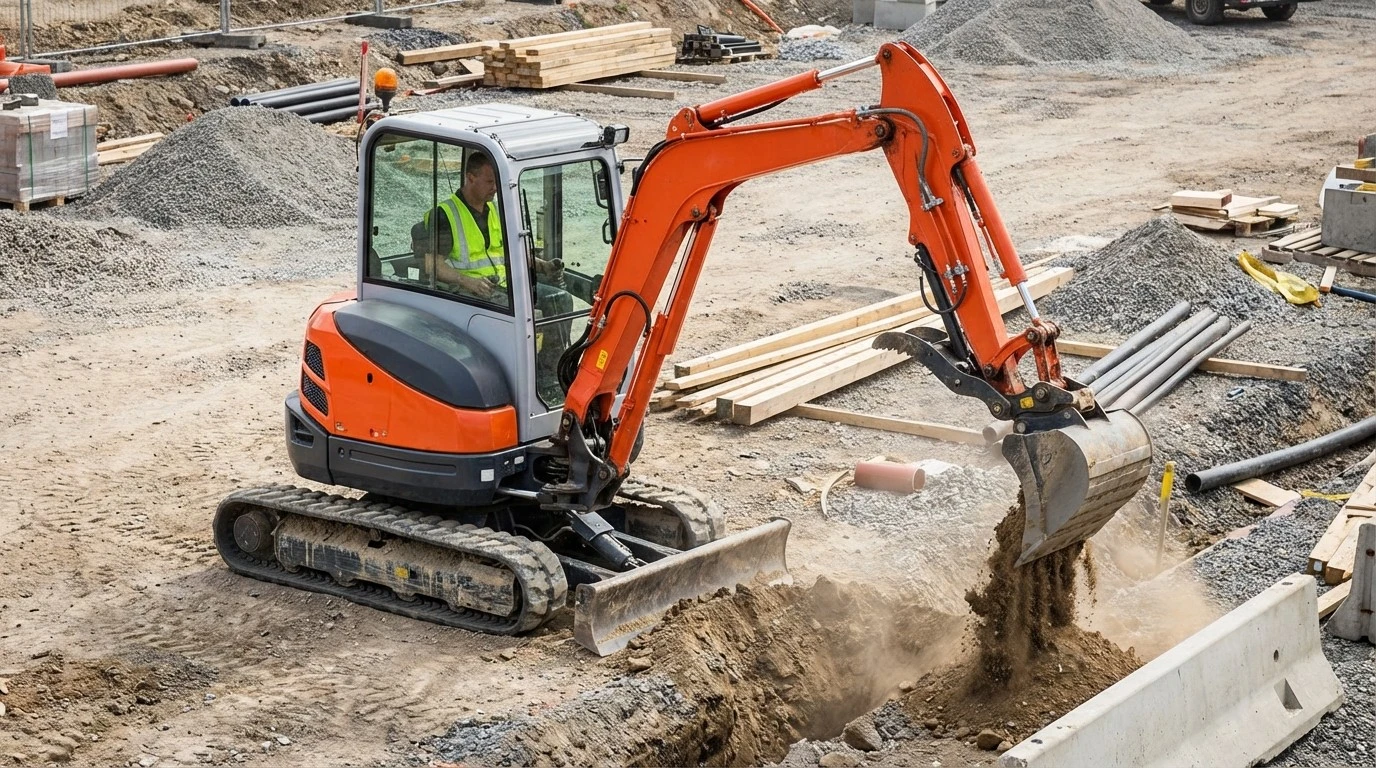
Operating a mini excavator efficiently requires more than just knowing how to move the joysticks. Professional operators understand how to manipulate the machine to extract maximum productivity while minimizing wear and tear. When you master advanced work techniques, you complete projects faster, reduce your daily operating costs, and secure a stronger return on your equipment investment.
Contractors demand reliability and precision from their heavy machinery. A mini excavator delivers massive breakout force in a compact footprint, but its true potential relies entirely on the operator's skill level. Wasted movements, improper positioning, and aggressive control inputs destroy your profit margins and place unnecessary strain on the equipment.
This comprehensive guide breaks down the exact techniques required to operate mini excavators efficiently. We will explore proven methods for trenching, grading, and heavy digging. You will also learn actionable strategies to reduce fuel consumption, maintain absolute job site safety, and protect your equipment through proactive maintenance. By implementing these factual, straightforward procedures, you guarantee your fleet delivers uncompromising durability and long-term value.
The Fundamentals of Efficient Operation
Efficiency begins the moment you sit in the operator's seat. Before you move a single bucket of dirt, you must establish a solid foundation of control and awareness. Mastering the fundamentals prevents wasted movement and reduces operator fatigue during long shifts.
Smooth and Predictable Joystick Control
The hydraulic system of a high-quality mini excavator responds instantly to your inputs. Professional operators rely on smooth, blended movements rather than jerky, aggressive pulls. You should operate the joysticks with your fingertips, using precise pressure to control the hydraulic flow.
Jerking the controls forces the hydraulic valves to open and close violently. This creates immense heat within the system and sends shockwaves through the machine's steel frame. By blending your movements—such as curling the bucket while simultaneously raising the boom—you achieve a fluid digging cycle. This fluid motion speeds up your cycle times and significantly reduces mechanical wear.
Proper Machine Positioning
Where you park the excavator determines how efficiently you can dig. You must always position the machine on the most level ground available. Digging from an uneven stance forces the slew bearing to fight gravity every time you rotate the upper structure with a loaded bucket.
Keep your travel motors and drive sprockets positioned at the rear of the machine, furthest away from your digging area. The idler wheels should face the trench. The idler wheels utilize a heavy tensioning spring that absorbs the shock of digging. If you dig over the drive sprockets, you force the rigid planetary gears to absorb those massive impacts, leading to premature final drive failure.
Utilizing the Dozer Blade for Stability
Nearly all mini excavators feature a front-mounted dozer blade. This blade serves as your primary stabilizing tool. Whenever you prepare to dig or lift a heavy load, lower the blade firmly against the ground. This creates a rigid anchor point that prevents the machine from rocking forward.
When trenching, keep the blade positioned behind you. This allows you to dig a long section of trench, lift the blade, and easily tram backward to continue digging. If you place the blade in front of you near the trench edge, you risk collapsing the soil beneath the blade and compromising your stability.
Advanced Trenching Techniques
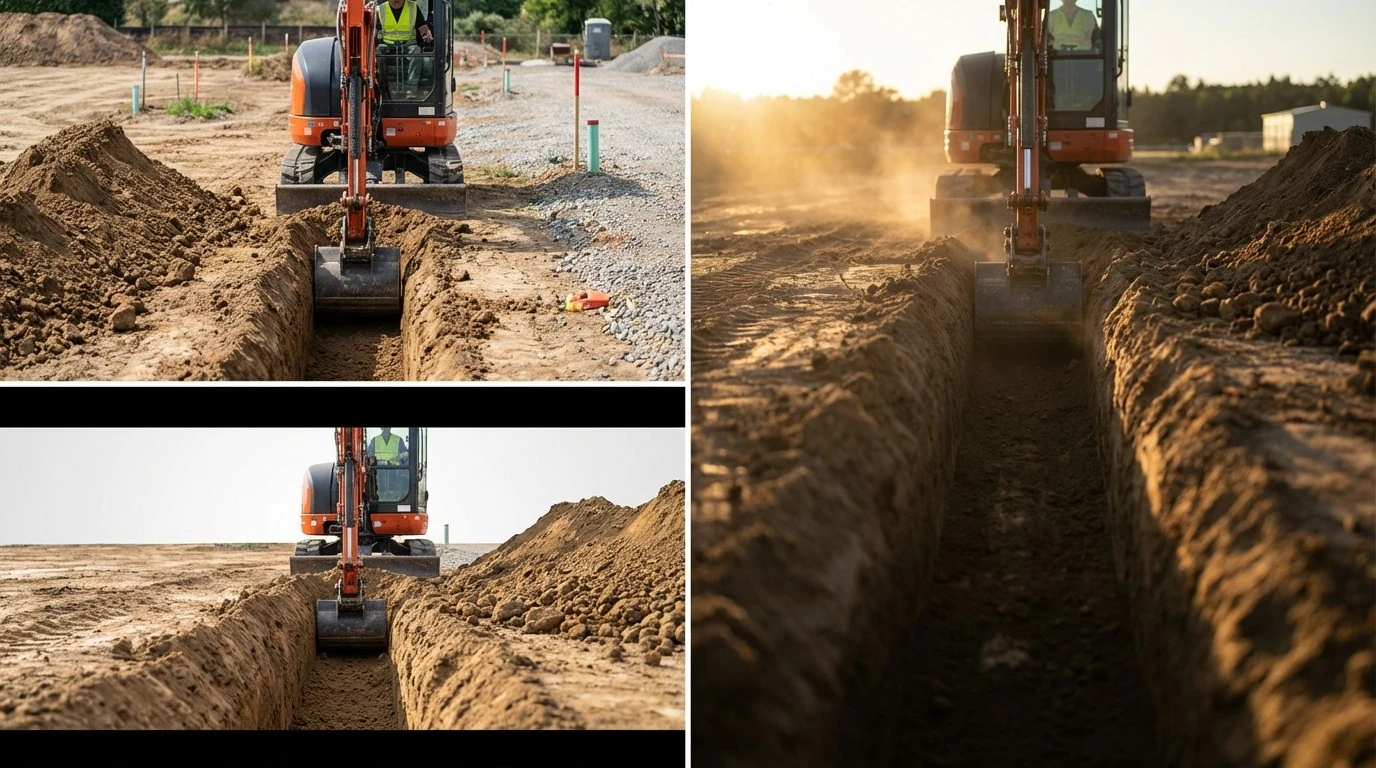
Utility contractors rely heavily on mini excavators to install water lines, electrical conduit, and sewer pipes. Trenching represents one of the most common tasks for compact equipment. Executing a straight, clean trench efficiently requires strict attention to detail and methodology.
Marking and Aligning the Trench
Never begin digging without a clear, physical guideline. Use marking paint or a taut string line to map out the exact path of your trench. Position your excavator so the tracks sit perfectly parallel to your guideline.
If your tracks sit at a slight angle to the trench path, you will constantly fight the machine's natural digging line. This results in a jagged, uneven trench that requires extensive manual labor to correct. Take the extra sixty seconds to align your undercarriage perfectly before you drop the bucket into the dirt.
The Standard Digging Cycle
A highly efficient trenching cycle minimizes wasted movement. Start by extending the stick outward and opening the bucket. Lower the boom until the bucket teeth engage the soil. Pull the stick toward the cab while simultaneously curling the bucket inward.
As the bucket fills, raise the boom to break the dirt out of the trench. Swing the machine smoothly to your designated spoil pile, open the bucket to dump the material, and swing back to the trench in one continuous motion. Do not stop the swing to dump the bucket. Blend the dumping action into the end of your swing arc to shave seconds off every single cycle.
Managing the Spoil Pile
Where you place your excavated dirt directly impacts your efficiency. Keep your spoil pile far enough away from the trench edge to prevent the loose dirt from sliding back into the hole. However, do not swing the boom further than necessary.
A 90-degree swing arc represents the ideal balance between safety and speed. If you must swing 180 degrees to dump the dirt, you double your cycle time and burn significantly more diesel fuel. Plan your job site layout carefully to ensure your spoil pile remains easily accessible for backfilling once the utility installation concludes.
Digging V-Trenches for Stability
When working in loose sand, wet clay, or deep gravel, straight trench walls often collapse. To prevent dangerous cave-ins, operators must dig a V-trench. This technique involves angling the sides of the trench outward, creating a wider opening at the top that slopes down to a narrow bottom.
Start by digging a standard shallow trench. Then, use the sides of the bucket to carve away the top edges of the trench walls at a 45-degree angle. This removes the heavy, unsupported dirt at the top of the trench. V-trenching requires moving more material, but it guarantees a safe working environment for the pipe-laying crew working below grade.
Precision Grading and Leveling Methods
Mini excavators do not just dig holes; they excel at precision surface preparation. Whether you need to level a residential backyard for a new patio or establish a drainage slope, grading requires absolute finesse and an understanding of the machine's geometry.
Selecting the Right Bucket
You cannot grade effectively with a standard digging bucket. The heavy steel teeth leave deep gouges in the soil and disrupt the final finish. You must switch to a wide, smooth-edged grading bucket. A grading bucket features a flat cutting edge that slices through high spots and spreads loose material evenly.
Ensure your grading bucket possesses a wide profile. A wider bucket covers more surface area per pass, drastically reducing the time required to finish a job site. Keep the cutting edge sharp and straight. A bent or heavily worn cutting edge makes achieving a perfectly flat surface impossible.
The Pull-Grading Technique
The most common grading method involves pulling material toward the machine. Extend the boom and stick outward, lowering the grading bucket until the flat bottom rests perfectly parallel to the ground.
Pull the stick toward the cab slowly while simultaneously raising the boom just enough to maintain a perfectly level path. This requires constant, minute adjustments with both joysticks. Let the flat bottom of the bucket do the work. If you curl the bucket too aggressively, the cutting edge will dig a deep hole and ruin your grade.
Grading with the Dozer Blade
The front dozer blade serves as a highly effective grading tool for large, open areas. To grade with the blade, lower it until it lightly touches the soil. Tram the machine forward at a steady, low speed. The blade will shave off high spots and carry the loose dirt into low depressions.
When backfilling a trench, angle the machine slightly so the blade pushes the material sideways into the hole. This angled approach, often called windrowing, prevents the machine from driving directly over the soft, uncompacted trench. Work in long, overlapping passes to achieve a smooth, professional finish.
Heavy Digging and Excavation Strategies
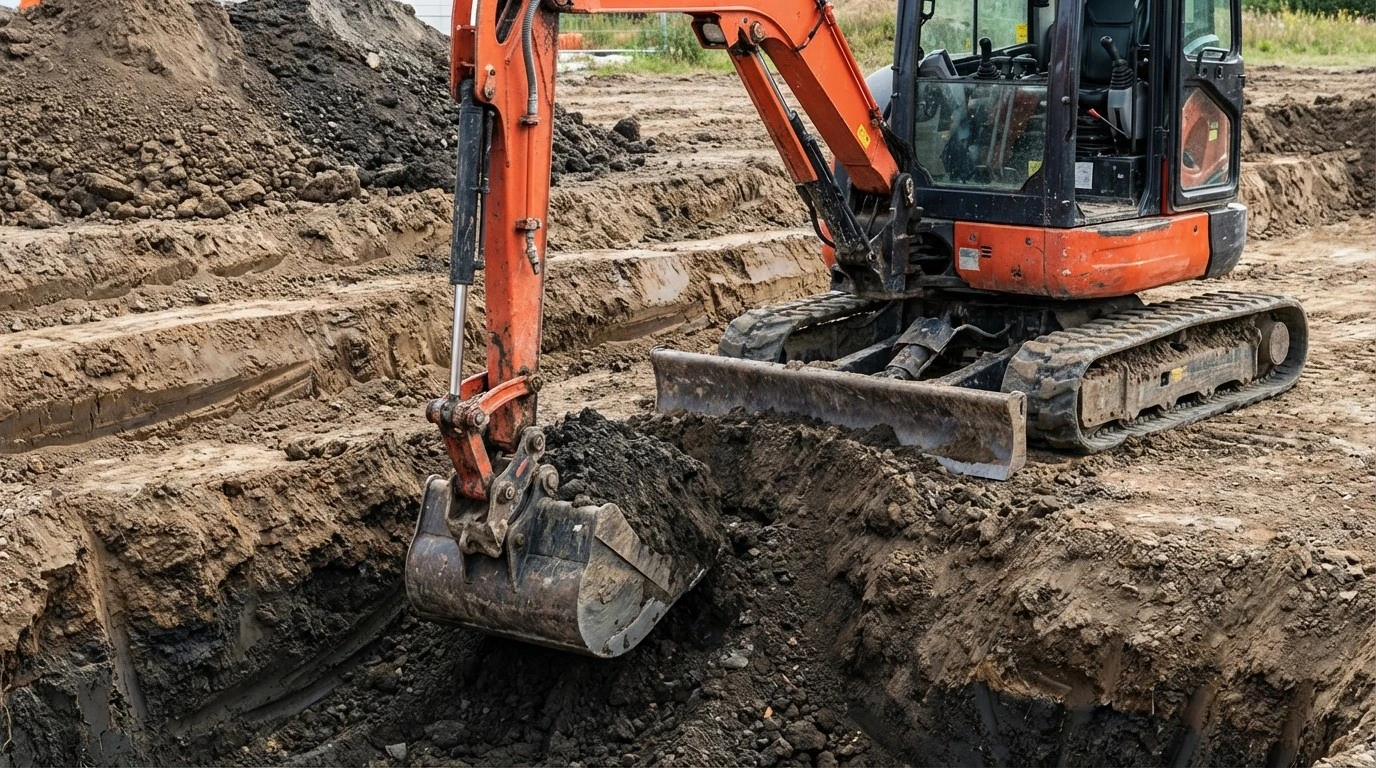
When tasked with removing massive volumes of hard, compacted earth, your strategy must shift from precision to raw power. Maximizing your breakout force allows you to tear through tough clay and rocky soil without stalling the engine or overheating the hydraulic system.
Maximizing Breakout Force
Breakout force refers to the maximum digging power the machine can generate at the bucket teeth. To harness this power, you must position the boom and stick correctly. The excavator generates peak breakout force when the stick sits at a 90-degree angle to the boom.
Do not try to dig with the stick fully extended away from the machine. You have very little leverage in this position. Instead, bring the stick closer to the cab before you engage the soil. Curl the bucket aggressively to fracture the hard ground, then pull the stick through the loosened material.
Benching Deep Excavations
If you need to dig a deep basement or a massive retention pond, you cannot simply dig a massive hole straight down. You must utilize a technique called benching. Benching involves digging a series of stepped levels, or benches, down into the earth.
Start by excavating the top layer of dirt across the entire work area, creating a flat bench about three feet deep. Move the machine down onto this new level and excavate another three-foot layer. This stepped approach maintains the structural integrity of the surrounding soil and provides a safe, level platform for the excavator to sit on at all times.
Handling Rocks and Obstacles
When your bucket strikes a massive boulder or a thick tree root, do not jerk the joysticks violently. Jerking the controls sends massive shockwaves through the boom and can easily snap a hydraulic cylinder rod.
Instead, use the bucket teeth to systematically clear the dirt away from the sides of the obstacle. Once the boulder sits entirely exposed, position the bucket teeth under the bottom edge. Curl the bucket slowly while lifting the boom to pry the rock out of the ground. If the rock refuses to budge, use a hydraulic breaker attachment to fracture it into manageable pieces.
Maximizing Fuel Efficiency and Lowering Costs
Diesel fuel represents one of the largest ongoing expenses for any contracting business. Operators who run their machines at maximum throttle all day waste massive amounts of fuel and destroy their profit margins. You must operate intelligently to conserve fuel without sacrificing job site productivity.
RPM Management and Auto-Idle
Modern mini excavators produce maximum hydraulic torque at a surprisingly low engine RPM. You rarely need to run the engine at wide-open throttle. For standard trenching and grading, setting the throttle to 70 percent provides more than enough hydraulic flow while saving gallons of fuel per shift.
Utilize the machine's auto-idle feature. When engaged, this system automatically drops the engine to idle speed if the operator does not touch the joysticks for several seconds. The moment you touch a control, the engine instantly returns to the preset working RPM. This simple feature drastically reduces fuel consumption during standby periods.
Minimizing Track Spinning
Aggressive driving destroys both your fuel economy and your expensive rubber tracks. When you push into a pile of dirt with the dozer blade, pay close attention to your tracks. If the tracks begin to spin in place, you are wasting fuel and shredding the rubber lugs.
Instead of trying to push a massive pile all at once, take smaller bites. Shift the travel motors into low speed to maximize pushing torque. A slow, steady push moves more material efficiently than a high-speed, track-spinning assault.
Maintaining Clean Filters
A suffocating engine burns excess fuel. The diesel engine requires massive volumes of clean air to combust fuel efficiently. If the primary air filter becomes clogged with job site dust, the engine runs rich, burning more diesel to produce the same amount of power.
Inspect your air filters frequently, especially when working in dry, dusty environments. Replace the filters exactly according to the manufacturer's recommendations. Clean filters allow the engine to breathe properly, ensuring peak fuel efficiency and protecting the internal cylinders from abrasive dust.
Job Site Safety and Hazard Prevention
Efficiency means nothing if an accident halts your project. Heavy machinery presents severe risks to operators and ground crews. You must establish strict safety protocols and enforce them relentlessly to protect your team and your business reputation.
Underground Utility Strikes
Striking a buried gas line or a high-voltage electrical cable causes catastrophic injuries and massive financial liabilities. You must absolutely never break ground without contacting your local utility locating service.
Even after the utilities are marked, proceed with extreme caution. Locate marks are not always perfectly accurate. When digging within two feet of a marked utility line, use a shovel or a hydro-excavator to expose the pipe visually before using the mini excavator. Never blindly plunge the bucket into the ground near marked utility lines.
Slope Operation and Rollover Prevention
Operating on steep inclines significantly increases the risk of a machine rollover. When you must travel up or down a steep hill, always keep the heaviest part of the machine pointed uphill.
If your bucket is full of dirt, keep the boom pointed uphill and travel straight up the incline. Never attempt to drive across the face of a steep slope. The machine's high center of gravity will cause it to tip sideways instantly. Keep the boom low to the ground to maintain a safe center of gravity, and never swing a loaded bucket over the downhill side of the tracks.
Ground Crew Communication
The operator's visibility is inherently limited by the cab structure and the heavy steel boom. Ground workers must never approach the excavator without establishing clear, direct eye contact with the operator.
Establish a standardized set of hand signals for your crew. The operator must stop the machine completely, lower the bucket to the ground, and remove their hands from the joysticks anytime a ground worker approaches the digging zone. This simple protocol prevents fatal crushing accidents caused by accidental joystick bumps.
Leveraging Attachments for Greater Productivity
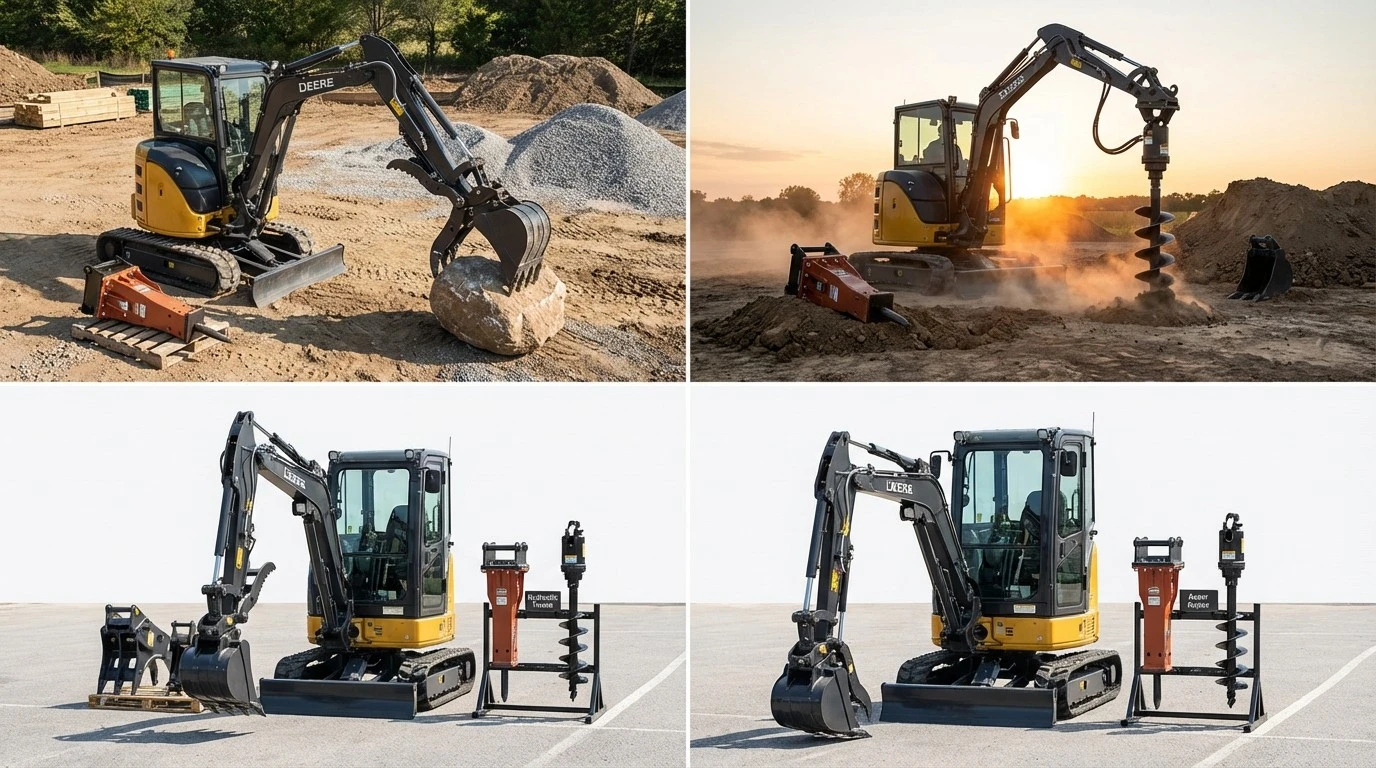
A standard digging bucket limits the earning potential of your mini excavator. To extract the maximum value from your equipment, you must utilize versatile hydraulic attachments. These tools transform your excavator into a multi-functional machine capable of tackling highly specialized, high-paying jobs.
Hydraulic Thumbs for Material Handling
A hydraulic thumb acts as a mechanical finger pressing against your digging bucket. This attachment is mandatory for any serious contractor involved in site cleanup, demolition, or forestry work.
The thumb allows you to grab, lift, and securely load awkwardly shaped materials like tree stumps, twisted scrap metal, and large concrete slabs. It eliminates the need to manually chain debris to the bucket. When operating a thumb, use precise control. Do not use the thumb to pry or twist heavy materials, as this side-loading force can bend the thumb cylinder or damage the mounting bracket.
Hydraulic Breakers for Demolition
When you encounter solid concrete or solid rock, a digging bucket becomes useless. A hydraulic breaker attachment delivers rapid, percussive blows that shatter hard materials efficiently.
To use a breaker properly, position the chisel point perfectly perpendicular to the material. Apply firm downward pressure with the boom before you engage the auxiliary hydraulics. Never fire the breaker in the air, as this "blank firing" destroys the internal piston seals. Only run the breaker for 15 to 20 seconds at a time. If the material does not fracture, reposition the chisel closer to an edge and try again.
Earth Augers for Fencing and Foundations
Deck builders, fencing contractors, and pole barn builders spend countless hours digging structural post holes. An earth auger attachment automates this tedious process entirely.
The excavator's boom allows you to drill perfectly plumb holes even on steep, uneven terrain. When drilling, keep the auger bit completely vertical. Apply slight downward pressure with the boom, allowing the auger flighting to pull the dirt out of the hole. If the auger binds on a heavy root or rock, reverse the hydraulic flow to back the bit out safely.
Daily Maintenance for Peak Performance
You cannot operate a machine efficiently if it constantly breaks down. Durable machinery requires consistent, factual maintenance protocols. Neglecting your mini excavator leads to unpredictable breakdowns, ruined project timelines, and expensive emergency repairs.
The Daily Walk-Around Inspection
Operators must take absolute ownership of the machine before starting the engine each morning. A thorough walk-around inspection takes less than ten minutes but serves as your primary defense against catastrophic failures.
Check the engine oil, hydraulic fluid, and engine coolant levels carefully. Inspect all high-pressure hydraulic hoses along the boom for signs of heavy abrasion or minor fluid leaks. Look closely at the rubber tracks for deep sidewall cuts and verify proper track tension.
Greasing Pivot Points
A mini excavator features dozens of heavy steel pivot points that bear immense physical loads. Without proper lubrication, these metal components grind against each other, destroying the steel pins and bushings.
Grease all daily service points outlined in your specific machine's manual. Focus heavily on the front loader linkage, the bucket pins, and the massive kingpost that connects the boom to the tractor frame. Wipe the grease fittings entirely clean before attaching your grease gun. Pumping fresh grease through a dirty fitting forces abrasive sand directly into the delicate joints.
Managing Undercarriage Debris
The undercarriage supports the entire operating weight of your machine. It dictates how the equipment travels and provides the necessary stability for heavy lifting. Packed mud and rocks trap the bottom rollers, causing the tracks to drag across seized steel rather than rolling smoothly.
Shovel out the track frames at the end of every single shift. Do not wait for the mud to dry and harden overnight. Hardened clay acts like concrete, locking the tensioning cylinders in place and accelerating the wear on your expensive drive sprockets. A clean undercarriage operates efficiently and lasts thousands of hours longer.
Partnering for Long-Term Success
Securing heavy equipment means partnering with a manufacturer and dealer network that prioritizes your success. The reliability of your support network directly dictates your fleet's long-term uptime and overall profitability. Choose an equipment provider that offers straightforward warranties and accessible customer service.
When a machine requires professional attention, you need rapid access to genuine parts. A strong dealer network maintains a massive local parts inventory, minimizing the time your mini excavator spends out of commission. Avoid cheap aftermarket parts that compromise the structural integrity and precision of your machine. Using manufacturer-approved components ensures your equipment continues to perform exactly as it did the day it left the factory floor.
Look for a service department staffed by certified, factory-trained technicians. These professionals possess the advanced diagnostic tools required to troubleshoot complex hydraulic and transmission systems rapidly. Comprehensive warranty coverage guarantees your machine receives professional, high-quality care without unexpected financial burdens.
Many reliable dealers offer preventative maintenance contracts. These agreements allow certified technicians to handle your major interval servicing. This proactive approach takes the burden of major maintenance off your shoulders. You gain total confidence in your machinery and can focus entirely on executing your projects.
Elevate Your Fleet Operations Today
Mastering advanced mini excavator work techniques transforms your contracting business. By refining your joystick control, executing proper trenching methods, and utilizing precision grading strategies, you maximize your hourly production rates. Implementing smart fuel management and strict daily maintenance protocols lowers your overhead costs and protects your capital investment.
Treat your machinery with the respect it demands. Train your operators to utilize these factual, proven techniques on every single job site. When you demand reliability from your equipment and pair it with professional operation, you secure a phenomenal return on your investment. Review your current job site procedures today, identify areas for operational improvement, and empower your crew to deliver exceptional results safely and efficiently.