


Mini Excavator Parts & Components Explained
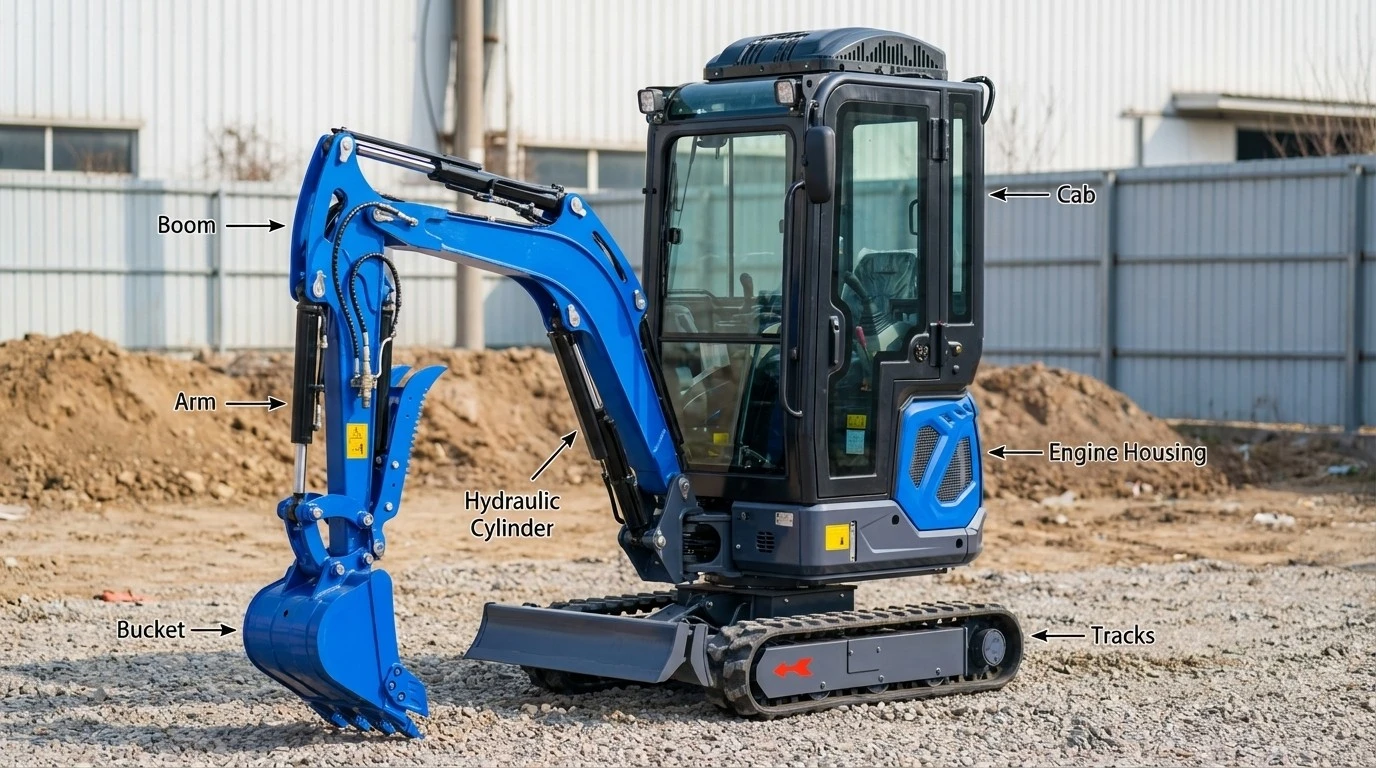
Understanding your heavy equipment separates professional operators from amateurs. When you know exactly how your machinery functions, you operate more efficiently and prevent catastrophic breakdowns. Mini excavators deliver massive breakout force and precise control, but they rely on hundreds of interconnected components working in perfect harmony.
Ignoring the mechanical realities of your equipment leads to expensive emergency repairs and ruined project timelines. To secure a strong return on your investment, you must understand the anatomy of your machine. This knowledge empowers you to perform accurate daily inspections, communicate clearly with service technicians, and extend the lifespan of your fleet.
This comprehensive guide breaks down the core components of a mini excavator in deep detail. We will explore the undercarriage, upper structure, hydraulic system, and the front working group. You will learn the specific function of each part, how it contributes to overall performance, and the practical maintenance steps required to guarantee long-term reliability.
The Undercarriage: The Foundation of Stability
The undercarriage supports the entire weight of the mini excavator. It dictates how the machine travels across uneven terrain and provides the stability required for heavy lifting. A well-maintained undercarriage ensures predictable maneuvering and protects the upper components from excessive vibration.
When contractors talk about durability, the conversation starts at the undercarriage. This area absorbs the most punishment from rocky soil, abrasive sand, and broken concrete. Understanding its individual parts helps you monitor wear and tear effectively.
Rubber and Steel Tracks
Mini excavators typically feature continuous rubber tracks. Rubber tracks distribute the machine's weight over a large surface area, creating remarkably low ground pressure. This allows you to navigate delicate landscaping, finished driveways, and soft mud without causing severe property damage.
Some contractors working in extreme demolition environments opt for steel tracks or steel tracks with rubber pads. Steel tracks offer superior puncture resistance against jagged rebar and sharp rocks. Regardless of the material, inspect your tracks daily. Look for deep cuts, exposed steel cables, or missing chunks of rubber. Replacing severely worn tracks prevents unexpected snapping during a critical trenching pass.
Track Frames and Tensioners
The heavy steel track frame houses the entire lower assembly. It must withstand constant impact from rocks, concrete debris, and uneven ground. Manufacturers build these frames from high-tensile steel to prevent twisting under heavy loads.
Inside the track frame sits the track tensioning mechanism. A grease cylinder pushes the front idler wheel forward to keep the track tight. Proper tension is absolutely critical. If the track runs too loose, it can derail on uneven ground. If it runs too tight, it places immense strain on the drive motors. Consult your operator's manual for the exact tension measurement procedures.
Drive Motors and Final Drives
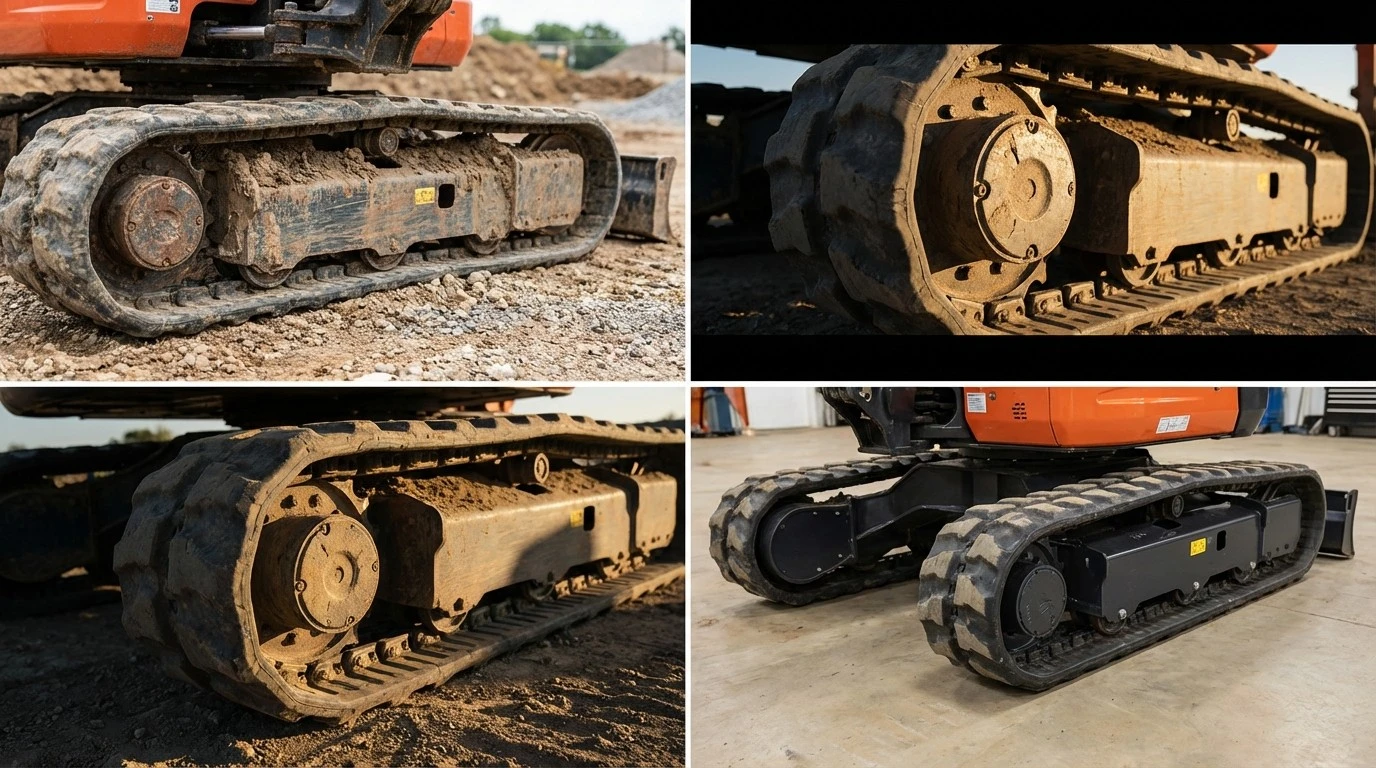
The drive motors, located at the rear of the undercarriage, propel the machine forward and backward. These hydraulic motors convert pressurized fluid from the engine into raw rotational force. They typically feature a two-speed transmission, allowing operators to shift between high-speed travel and low-speed, high-torque pushing power.
The drive motors connect directly to the final drive sprockets. The heavy steel teeth of the sprockets engage the drive links inside the tracks to pull the machine along. Worn sprocket teeth cause the tracks to slip and jump. Monitor the sprockets for sharp, pointed wear patterns. Replace them before they destroy the drive links inside your expensive tracks.
Idlers and Track Rollers
At the very front of the track frame sits the idler wheel. The idler guides the track smoothly around the front of the machine and absorbs frontal impacts. Because it sits on the tensioning cylinder, it constantly adjusts to terrain variations.
Bottom rollers sit along the lower edge of the track frame to support the machine's operating weight. Top rollers prevent the heavy top section of the track from sagging. If a roller seizes due to a lack of lubrication, the track drags across it, creating severe friction. Clean packed mud away from your rollers daily to ensure they spin freely. This simple step prolongs their lifespan significantly.
The Upper Structure: Power and Control
The upper structure houses the engine, the operator station, and the main hydraulic pumps. It acts as the central command center for the entire machine. A massive slew bearing sits between the undercarriage and the upper structure, allowing the cab and boom to rotate continuously.
The Slew Bearing and Swing Motor
The slew bearing, or swing ring, is a massive gear that carries the entire weight of the upper structure. It allows the excavator to spin 360 degrees without tangling hydraulic lines. The swing motor utilizes hydraulic pressure to turn a pinion gear, which walks along the teeth of the slew bearing.
This mechanism provides the unmatched trenching speed that makes mini excavators so profitable. You can dig, spin, and dump material in a rapid, fluid motion. You must grease the slew bearing meticulously. Most machines feature remote grease zerks to make this process easier. Failure to lubricate the slew bearing leads to grinding, hesitation, and eventual mechanical failure that costs thousands of dollars to repair.
The Engine and Power Plant
The diesel engine provides the raw mechanical power required to turn the hydraulic pumps. Modern mini excavators utilize highly efficient, low-emission diesel engines. They deliver consistent torque while minimizing daily fuel consumption, directly protecting your profit margins.
Proper engine maintenance guarantees reliable performance shift after shift. You must check the engine oil and coolant levels every single morning before turning the ignition. Replace the primary air filter frequently when working in dusty environments. Airborne dirt bypasses clogged filters, destroys piston rings, and leads to premature engine failure.
The Counterweight and Machine Balance
The counterweight sits at the very rear of the upper structure. This heavy cast-iron block offsets the weight of the boom and the heavy material in the bucket. Without a properly sized counterweight, the machine would tip forward the moment you attempt to lift a heavy load.
Many compact excavators feature a zero tail-swing design. This means the counterweight remains entirely within the width of the tracks as the upper structure rotates. Zero tail-swing machines allow you to dig safely against foundation walls or fences without striking obstacles behind you. This design is highly desirable for residential contractors working in tight property lines.
The Cab and Operator Interfaces
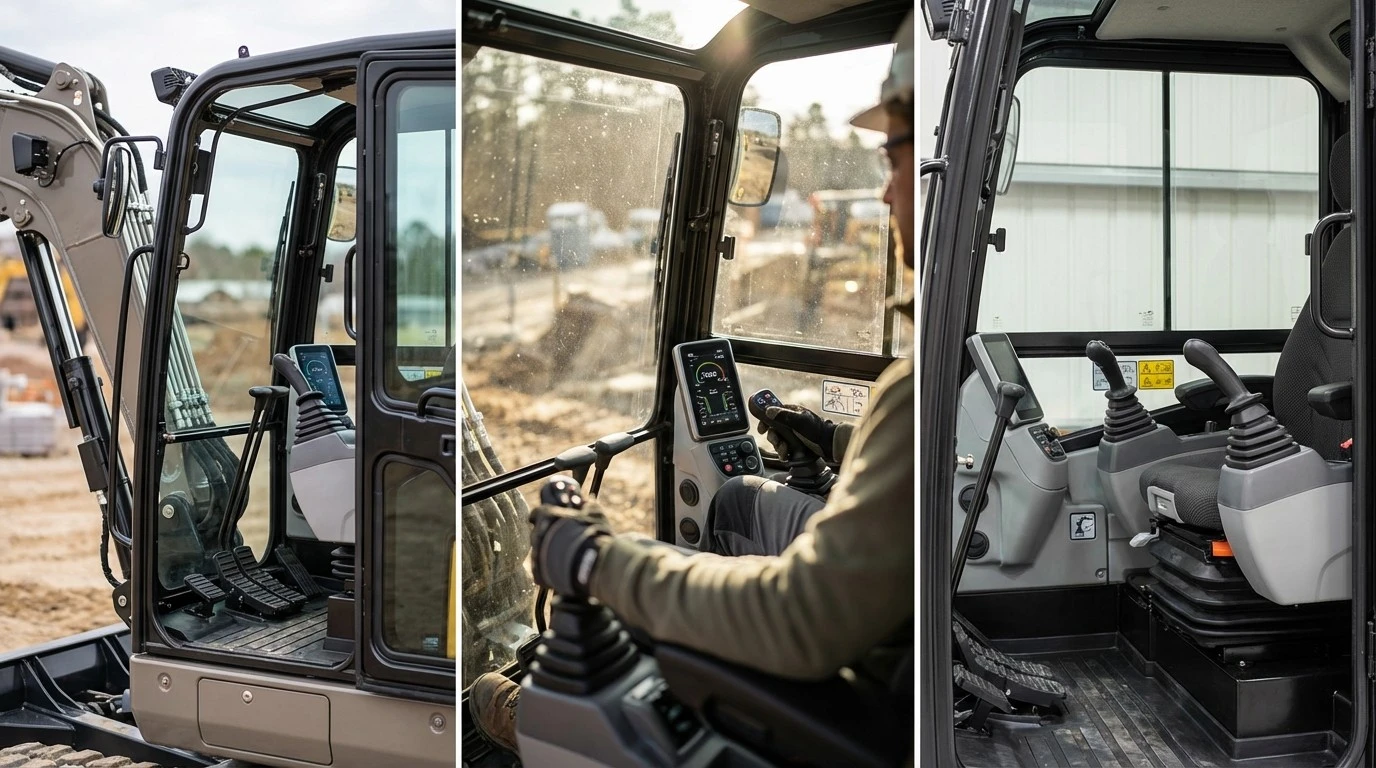
The cab serves as the central command post. High-quality mini excavators feature enclosed, climate-controlled cabs to protect operators from extreme heat, freezing rain, and job site dust. A comfortable operator remains alert, works safely, and maintains high productivity throughout a demanding shift.
Inside the cab, intuitive hydraulic joysticks command the boom, arm, and bucket. Travel pedals and levers control the undercarriage movement. Keep the cab interior completely clean and ensure all safety interlocks function perfectly. A clean workspace prevents empty water bottles or debris from jamming the control pedals during precise operation.
The Hydraulic System: The Muscle Behind the Machine
If the engine acts as the heart of the excavator, the hydraulic system serves as the muscle. Mini excavators rely entirely on pressurized hydraulic fluid to perform every single movement. Understanding this system is critical for troubleshooting sluggish performance and preventing catastrophic failures.
Main Hydraulic Pumps
The main hydraulic pump bolts directly to the engine flywheel. It draws hydraulic fluid from the main reservoir and pushes it through the system under immense pressure. High-quality machines use load-sensing piston pumps. These intelligent pumps adjust hydraulic flow based on the immediate demand against the bucket.
Load-sensing technology saves fuel and reduces heat buildup within the system. If you attempt to pry a massive boulder out of the ground, the pump automatically increases pressure to deliver maximum breakout force. When you perform light grading, it reduces pressure to conserve engine power.
Control Valves and Manifolds
The main control valve acts as the central traffic director for the fluid. When you move a joystick in the cab, the control valve directs pressurized fluid to the specific cylinder you wish to move. It allows you to perform multiple functions simultaneously, like raising the boom while curling the bucket.
Sticking valves cause jerky, unpredictable boom movements. Consistent fluid maintenance ensures these precise valves operate with exact accuracy. The control valve assembly contains dozens of tiny O-rings and seals that require clean, uncontaminated fluid to survive.
Hydraulic Cylinders
Hydraulic cylinders convert fluid pressure into physical pushing and pulling force. The boom cylinder raises and lowers the entire front working group. The arm cylinder extends and retracts the dipper stick. The bucket cylinder curls and opens the digging bucket.
Each cylinder features a highly polished steel rod and a series of heavy-duty internal seals. If dirt breaches the external wiper seal, it scores the steel rod and causes hydraulic fluid to leak. Inspect your cylinders daily for weeping fluid. Addressing a small seal leak immediately costs a fraction of replacing a heavily scored cylinder rod.
Fluid Filtration and Cooling
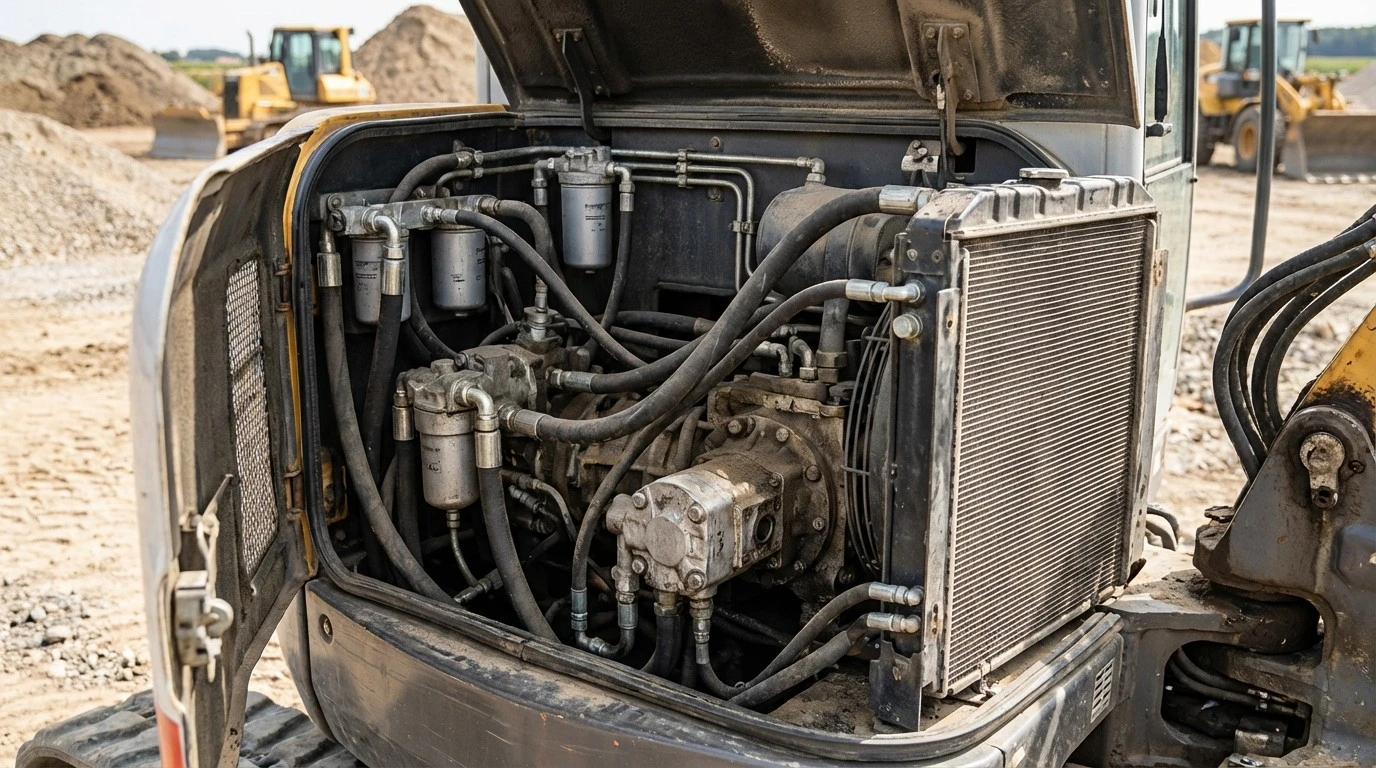
Hydraulic fluid transfers power, lubricates internal components, and dissipates extreme heat. As the fluid circulates, it passes through specialized return filters that catch microscopic metal shavings and dirt particles. Clean fluid guarantees smooth, responsive machine controls.
You must replace the hydraulic fluid and filters exactly according to the manufacturer's specified intervals. Using cheap, generic hydraulic oil compromises the system's heat tolerance. Always use the exact grade of fluid specified by your equipment provider to protect your warranty and ensure peak performance under heavy loads.
The Front Working Group: Precision and Reach
The front working group includes the boom, the arm, and the bucket. This heavy steel assembly performs the actual digging, lifting, and grading on your job site. The structural integrity of these components directly dictates the breakout force and lifting capacity of your machine.
The Boom and Swing Mechanism
The boom is the large, angled steel structure connected directly to the upper carriage. Most mini excavators feature a boom swing mechanism. A heavy hydraulic cylinder at the base of the boom allows it to pivot left and right entirely independently of the cab rotation.
This independent swing allows you to dig a trench parallel to the machine's tracks. It is absolutely essential for offset digging near walls or property lines. Grease the massive kingpost pins at the base of the boom daily. These primary pivot points bear immense stress and require constant lubrication to prevent structural wear.
The Arm (Dipper Stick)
The arm, frequently called the dipper stick, connects the boom to the bucket. The length of the arm determines the machine's maximum dig depth and forward reach. A standard arm provides excellent breakout force for aggressive digging in hard, compacted clay.
Some manufacturers offer long-arm options for utility work. A longer arm allows you to dig deeper sewer trenches and cast spoil dirt further away from the excavation site. However, a longer arm slightly reduces the machine's overall lifting capacity due to the altered leverage. Select the arm length that best aligns with your specific project requirements.
The Bucket and Ground Engaging Tools
The bucket handles the heavy lifting, digging, and scraping. Heavy-duty digging buckets feature hardened steel teeth that fracture rocky soil efficiently. These teeth are wear items. You must inspect them regularly and replace them when they become blunt, as dull teeth force the machine to work much harder.
Smooth grading buckets lack teeth and excel at leveling terrain and backfilling trenches. Because they have a wider profile, grading buckets carry more loose material per pass. Always match the bucket type to the soil conditions to maximize your hourly production rates.
The Quick Coupler System
A high-quality quick coupler sits between the arm and the bucket. This mechanical or hydraulic device allows operators to swap attachments in just a few minutes without hammering out heavy steel pins. A reliable quick coupler transforms your excavator from a simple digging tool into a highly versatile multi-tool carrier.
Hydraulic quick couplers allow the operator to change attachments without ever leaving the cab. This drastically improves job site safety and efficiency. Keep the coupler locking pins clean and heavily greased to ensure smooth operation. Inspect the coupler frequently to guarantee it holds attachments securely.
Auxiliary and Secondary Components
Beyond the main digging structures, mini excavators feature specialized components that dramatically increase their job site utility. These additions allow a single machine to perform tasks that typically require multiple pieces of heavy equipment, improving your overall return on investment.
The Front Dozer Blade
Nearly all mini excavators come standard with a front-mounted dozer blade. This blade serves two highly critical functions. First, it allows the operator to backfill utility trenches, grade loose topsoil, and clear job site debris quickly without bringing in a skid steer.
Second, the blade provides massive structural stability during heavy lifting. By lowering the blade firmly against the ground, the operator anchors the front of the machine. This anchor point prevents the excavator from tipping forward when digging through dense roots or lifting heavy concrete pipes. Inspect the blade's cutting edge regularly and replace it before the main moldboard sustains abrasive wear.
Auxiliary Hydraulic Lines
Auxiliary hydraulic lines run down the length of the boom and arm. These high-pressure lines provide power to specialized attachments like hydraulic breakers, earth augers, and thumbs. Standard auxiliary lines offer one-way fluid flow, which works perfectly for running a percussive demolition breaker.
Advanced machines feature two-way proportional auxiliary flow. This allows operators to use complex attachments like rotating grapples or heavy-duty brush cutters. When connecting an attachment, always wipe the hydraulic couplers completely clean. A single grain of sand forced into the auxiliary lines can travel back into the main control valve and cause severe internal scoring.
Hydraulic Thumbs
A hydraulic thumb acts as a mechanical finger pressing against your digging bucket. This attachment is virtually mandatory for any serious contractor. It allows you to grab, lift, and securely load awkwardly shaped materials like tree stumps, twisted scrap metal, and jagged concrete slabs.
Adding a thumb easily doubles your site cleanup speed. It converts the machine from a pure digging tool into an aggressive material handler. When operating a thumb, avoid using it to pry or twist materials, as this side-loading force can bend the thumb cylinder or damage the mounting bracket.
Preventative Maintenance & Dealer Support
Durable machinery requires consistent, factual maintenance protocols. Neglecting your mini excavator leads to unpredictable breakdowns, destroyed project timelines, and massive repair bills. Implementing a strict maintenance schedule protects your capital investment and ensures reliable performance.
Daily Inspection Routines
Operators must take absolute ownership of the machine before starting the engine each morning. A thorough walkaround inspection takes less than ten minutes. Check the engine oil, hydraulic fluid, and coolant levels carefully. Ensure you perform these checks while the machine sits on level ground.
Inspect all high-pressure hydraulic hoses along the boom for signs of heavy abrasion. Look closely at the rubber tracks for cuts and verify proper track tension. Greasing all major pivot points daily pushes out abrasive dust and prevents premature wear on critical steel pins and bushings. Establish a culture of accountability where these daily checks are never skipped.
OEM Parts vs. Aftermarket
When a component fails or reaches the end of its lifespan, you must replace it promptly. Always prioritize genuine Original Equipment Manufacturer (OEM) parts over cheap aftermarket alternatives. Genuine parts provide the exact fit and uncompromising durability required for heavy earthmoving.
Cheap aftermarket filters, seals, and undercarriage parts often fail prematurely. They compromise the structural integrity of your machine and can void your manufacturer warranty. Investing in genuine parts guarantees your excavator continues to perform exactly as it did the day it left the factory floor.
The Value of Professional Dealer Support
Securing heavy equipment means partnering with a manufacturer and dealer network that prioritizes your long-term success. The reliability of your support network directly impacts your fleet's uptime and your overall profitability. Choose an equipment provider that offers straightforward warranties and accessible, responsive customer service.
A strong dealer network maintains an extensive local parts inventory, minimizing the time your machine spends waiting for repairs. They employ certified technicians capable of diagnosing complex hydraulic and electrical issues rapidly. Many reliable dealers offer preventative maintenance contracts that handle your major interval servicing. This total support package provides absolute peace of mind, allowing you to focus entirely on executing your projects.
Take Action to Protect Your Fleet
Mastering the components of your mini excavator empowers you to operate more efficiently and identify minor issues before they escalate into major failures. By understanding how the undercarriage provides stability, how the hydraulic system generates power, and how the front working group executes precision tasks, you maximize the capability of your equipment.
Enforce strict daily inspection routines and partner with a reliable equipment dealer who provides comprehensive service beyond the initial purchase. Treat your machinery with respect, maintain it proactively, and it will deliver exceptional reliability and strong profit margins for years to come. Utilize this knowledge to train your operators and elevate the professionalism of your entire contracting business.