

How to Protect Your Mini Excavator’s Hydraulic Cylinders from Damage
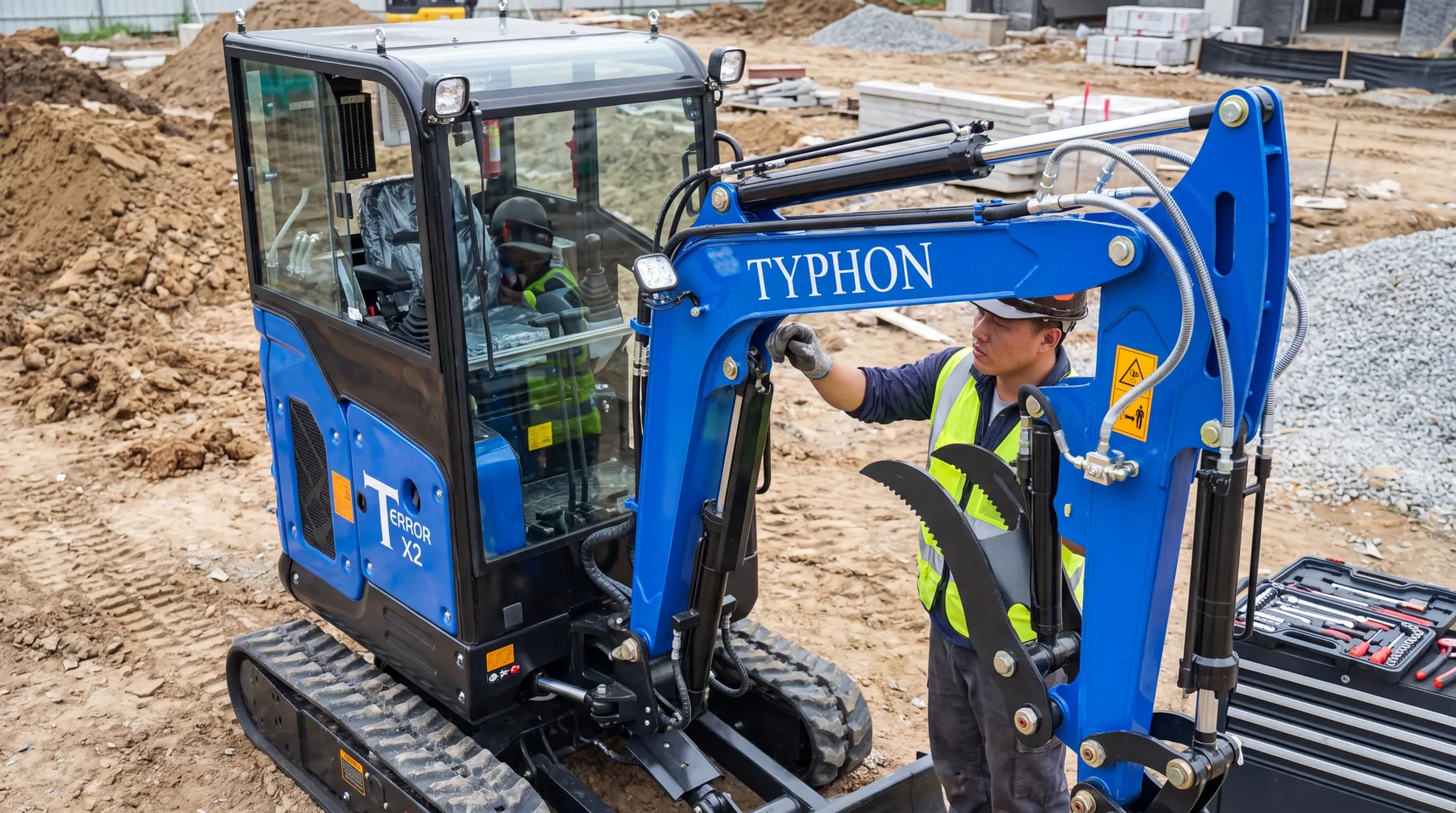
The hydraulic cylinders on your mini excavator do the heavy lifting on every job. They drive the boom, arm, and bucket through each dig, lift, and grade, turning engine power into the smooth, controlled force that gets work done. When those cylinders stay healthy, your machine performs reliably for years. When they fail, you face downtime, costly repairs, and projects that grind to a halt.
For the past few years, mini excavators have become essential tools for contractors, landscapers, and operators working tight, demanding sites. Their compact size and strong hydraulics deliver impressive performance, but that performance depends on protecting the components that make it possible. The hydraulic cylinders are among the most important and most vulnerable parts of the whole system.
This guide breaks down how to protect your mini excavator’s hydraulic cylinders from damage. We’ll walk through why these parts matter, the daily habits that keep them safe, the operating practices that reduce wear, and the maintenance steps that extend their service life. Follow these practices, and you’ll keep your machine running strong while protecting your investment on every job.
Why Hydraulic Cylinders Matter
Hydraulic cylinders are the muscle behind every movement your mini excavator makes. Each one converts pressurized hydraulic fluid into linear force, pushing and pulling the boom, arm, and bucket with the strength needed for digging, lifting, and grading. Without healthy cylinders, even the most powerful engine can’t deliver usable work.
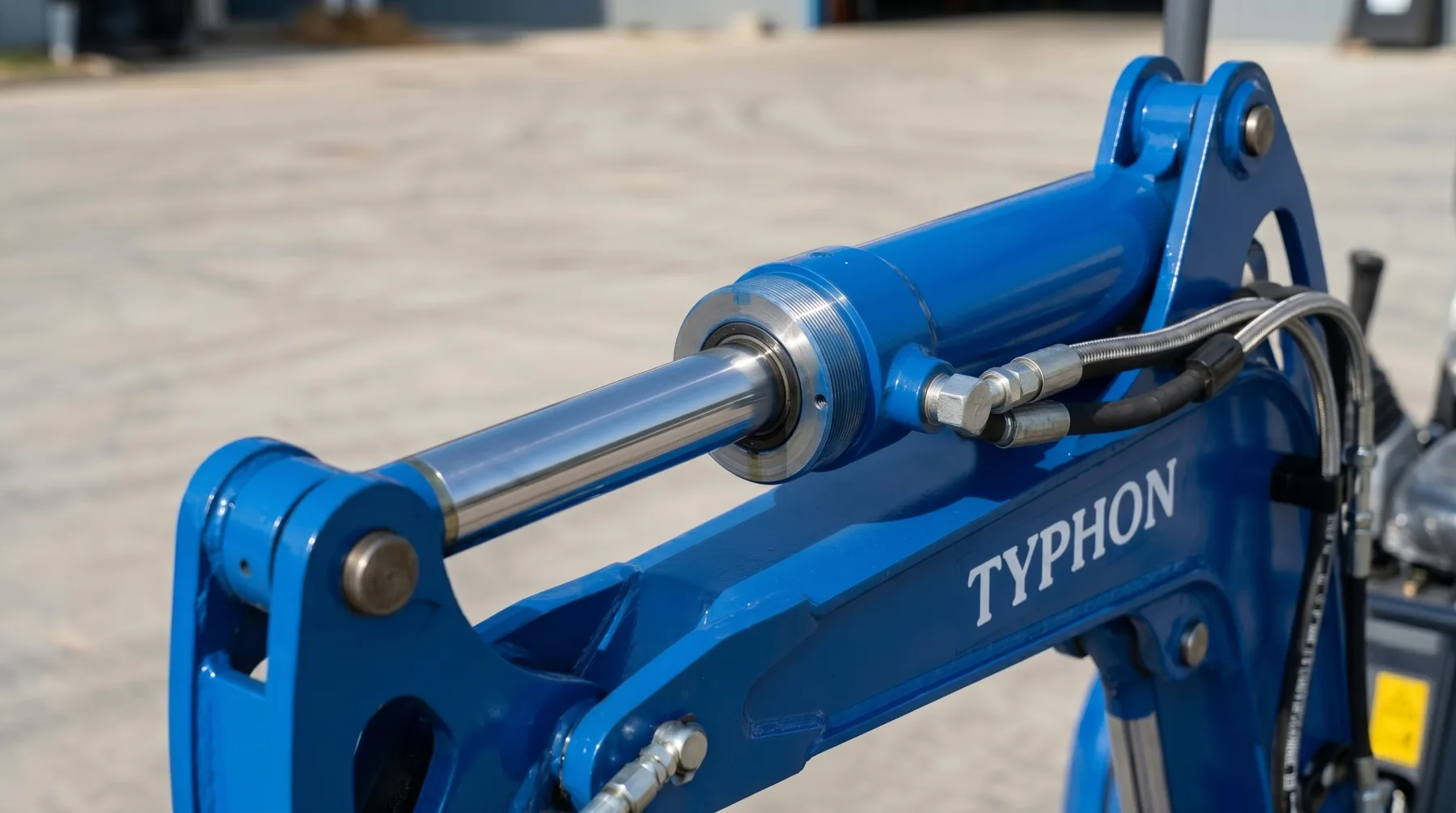
These components handle enormous stress throughout the workday. The polished rod, precision seals, and machined cylinder barrel must work together under high pressure, in dusty conditions, and across long hours. A single scratch on the rod or a worn seal can let contaminants in or fluid out, which quickly leads to leaks, reduced power, and eventual failure.
Protecting them is about more than avoiding repair bills. A cylinder that fails mid-job stops your machine cold, delays your schedule, and can put strain on other hydraulic parts. In short, a little care today prevents serious problems and protects your productivity tomorrow.
Equipment Protection Tips
Keeping your hydraulic cylinders in top shape comes down to a handful of consistent habits. None of them are complicated, but together they make a real difference in how long your machine performs at its best. The practices below cover the most important areas every operator should build into a routine.
Daily Inspection and Rod Care
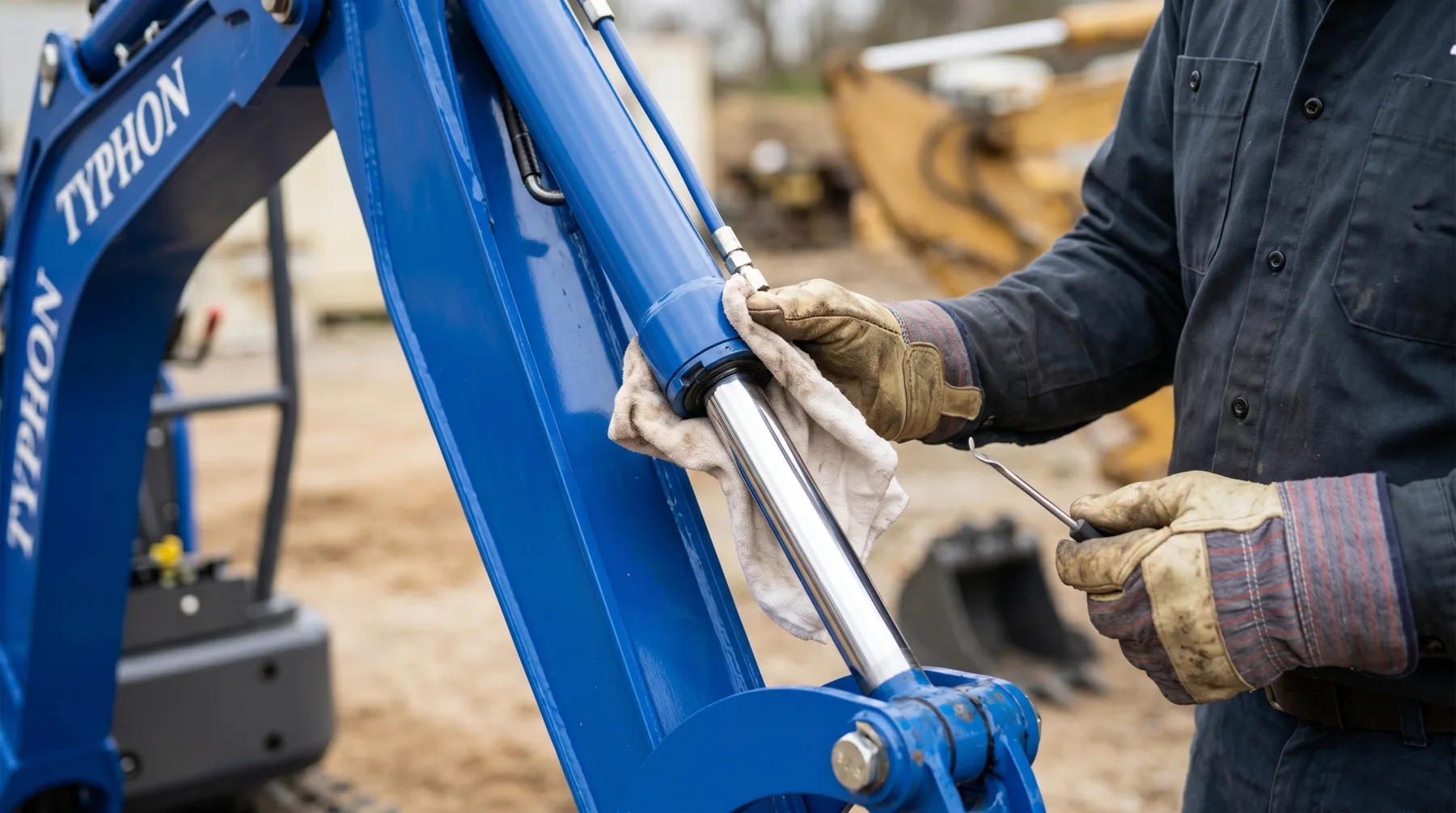
Protection starts with a quick daily look before you begin work. Walk around the machine and inspect each cylinder rod for scratches, pitting, or dents, since even small surface damage can tear seals and leave dirt inside. Check the seal areas for any sign of weeping fluid, which is often the first warning that a seal is starting to fail.
Keep the exposed rods clean and free of caked-on mud, sand, and debris. When a rod retracts, anything stuck to its surface gets dragged past the seals, grinding away at them over time. A simple wipe-down at the end of each shift keeps abrasive material out of the system and your cylinders running smoothly.
If you spot a damaged rod or a persistent leak, address it early. A minor seal replacement is far cheaper than a full cylinder rebuild, and catching problems early keeps small issues from becoming expensive failures.
Fluid Maintenance and Cleanliness
Clean hydraulic fluid is the lifeblood of your cylinders, so fluid maintenance deserves serious attention. Contaminated fluid is one of the leading causes of cylinder and hydraulic cylinder seal damage, since tiny particles act like sandpaper inside the system. Check your fluid level and condition regularly, and top up only with the manufacturer-recommended fluid.
Replace hydraulic filters on schedule to trap contaminants before they reach the cylinders. Watch for fluid that looks milky, dark, or gritty, as these are signs of water intrusion or particle buildup that call for a fluid change. Clean fluid keeps seals healthy, maintains smooth operation, and protects the precision surfaces inside each cylinder.
In short, treat your hydraulic fluid like the critical resource it is. Consistent fluid care does more to extend cylinder life than almost any other single habit.
Avoiding Overloading and Side Loading
Pushing your machine past its limits puts dangerous stress on the cylinders. Overloading the bucket or trying to lift beyond the rated capacity forces the cylinders to work under pressure they weren’t designed to handle, which can bend rods and blow seals. Always work within your machine’s specifications, and let the hydraulics do the work at a steady, controlled pace.
Side loading is just as harmful and easy to overlook. Using the bucket to pry sideways, twist stubborn objects, or drag heavy loads applies force across the cylinder rather than along it, which damages seals and scores the rod. Position the machine properly so each task pulls force in the direction the cylinder is built to handle.
A common mistake is treating the excavator like a pry bar for rocks, roots, or buried debris. It can do the job, but you’ll pay for it in cylinder wear. Reposition, dig around the obstacle, or use the right attachment instead.
Proper Storage and Protection
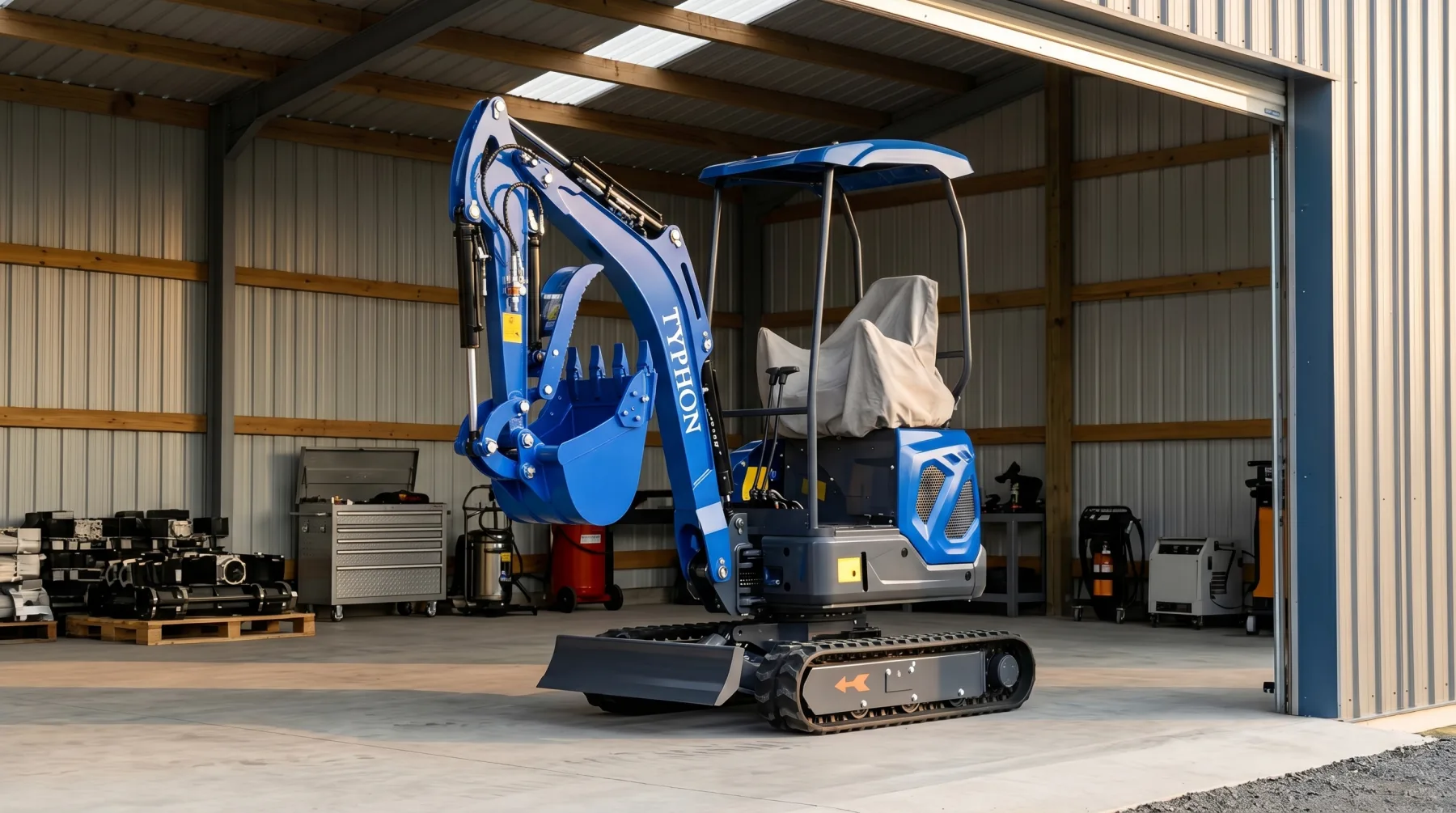
How you store your machine between jobs has a direct effect on cylinder life. When parking for an extended period, retract the cylinders fully where possible so the polished rods are protected inside the barrel, away from rust, dust, and the elements. Exposed rods left out in the weather can corrode, and corrosion quickly ruins seals once the machine moves again.
Store the excavator on firm, level ground and, when you can, keep it under cover or in a shed to shield it from rain and direct sun. For longer storage, apply a light protective coating to any exposed rod surfaces to guard against rust. Before returning the machine to work, inspect the rods and cycle the hydraulics slowly to confirm everything moves cleanly.
https://img.miniexcavator.org/ebay/Website-Team/Class1-27June/b12-03.webp
Safe Operation Habits That Protect Your Cylinders
How you run the machine every day matters just as much as inspection and storage. Smooth, deliberate operation reduces stress on the entire hydraulic system, and the responsive pilot controls found on most mini excavators make controlled movement easier to achieve. The habits below help you protect your cylinders shift after shift.
- Smooth, Controlled Movements: Jerky, abrupt movements send pressure spikes through the hydraulic system that hammer seals and rods over time. Operate the controls with smooth, measured inputs, easing the boom and arm into each motion rather than slamming them to the end of their travel. This gentle approach keeps pressure steady and dramatically reduces wear.
- Avoid Bottoming Out: Avoid bottoming out the cylinders at the end of their stroke, since repeated hard contact stresses the internal components. Let the machine reach its limits gradually, and back off slightly before the cylinder fully maxes out. In short, a calm operator is a cylinder’s best friend.
- Warm-Up and Working Temperature: Hydraulic fluid behaves differently when it’s cold, so a proper warm-up protects your cylinders from unnecessary strain. On chilly mornings, run the machine at low effort for a few minutes to let the fluid reach operating temperature before you tackle heavy digging. Cold, thick fluid moves sluggishly and forces seals and pumps to work harder than they should.
- Monitor Temperatures: Keep an eye on operating temperature throughout the day as well. An overheating hydraulic system breaks down fluid faster and accelerates seal wear, so watch for warning signs and give the machine a break if temperatures climb too high. Steady, moderate operating temperatures keep your cylinders performing reliably.
Maintenance Tips for Long Cylinder Life
A consistent maintenance routine ties all these practices together and keeps small issues from turning into major repairs. The right attention to seals, fittings, and scheduled service helps every cylinder deliver full performance through long workdays and many seasons of use.
Pay close attention to seals and wipers, since these components are your first line of defense against contamination. Replace worn or damaged seals promptly, and inspect the wiper rings that scrape debris off the rod as it retracts. Healthy seals keep fluid in and dirt out, which is exactly what your cylinders need.
Check and tighten hydraulic fittings and hose connections during your maintenance routine, as loose fittings cause leaks that lower pressure and invite contamination. Look for any sign of fluid seepage around connections, and address leaks before they grow. A dry, well-sealed system runs cleaner and lasts longer.
Finally, follow the manufacturer’s recommended service schedule for fluid changes, filter replacement, and component inspection. Keep a simple log of what you check and when, so nothing slips through the cracks across a busy season. This combination of careful seal maintenance and scheduled service gives professionals the confidence that every cylinder is ready for the next job.
Conclusion
Your mini excavator’s hydraulic cylinders are the muscle behind every dig, lift, and grade, and protecting them is one of the smartest investments you can make. With simple daily inspections, clean fluid, careful loading, smooth operation, and proper storage, you keep these critical components running strong for years. Each habit is small on its own, but together they prevent costly failures and protect your productivity on every site.
By building these practices into your routine and following a consistent maintenance schedule, you extend the life of your machine and avoid the downtime that derails projects. Treat your cylinders with care, and your mini excavator will reward you with dependable, professional performance job after job. Start your next shift with a quick cylinder check, and make protection a habit that lasts.