


Mini Excavator Transport & Logistics Guide
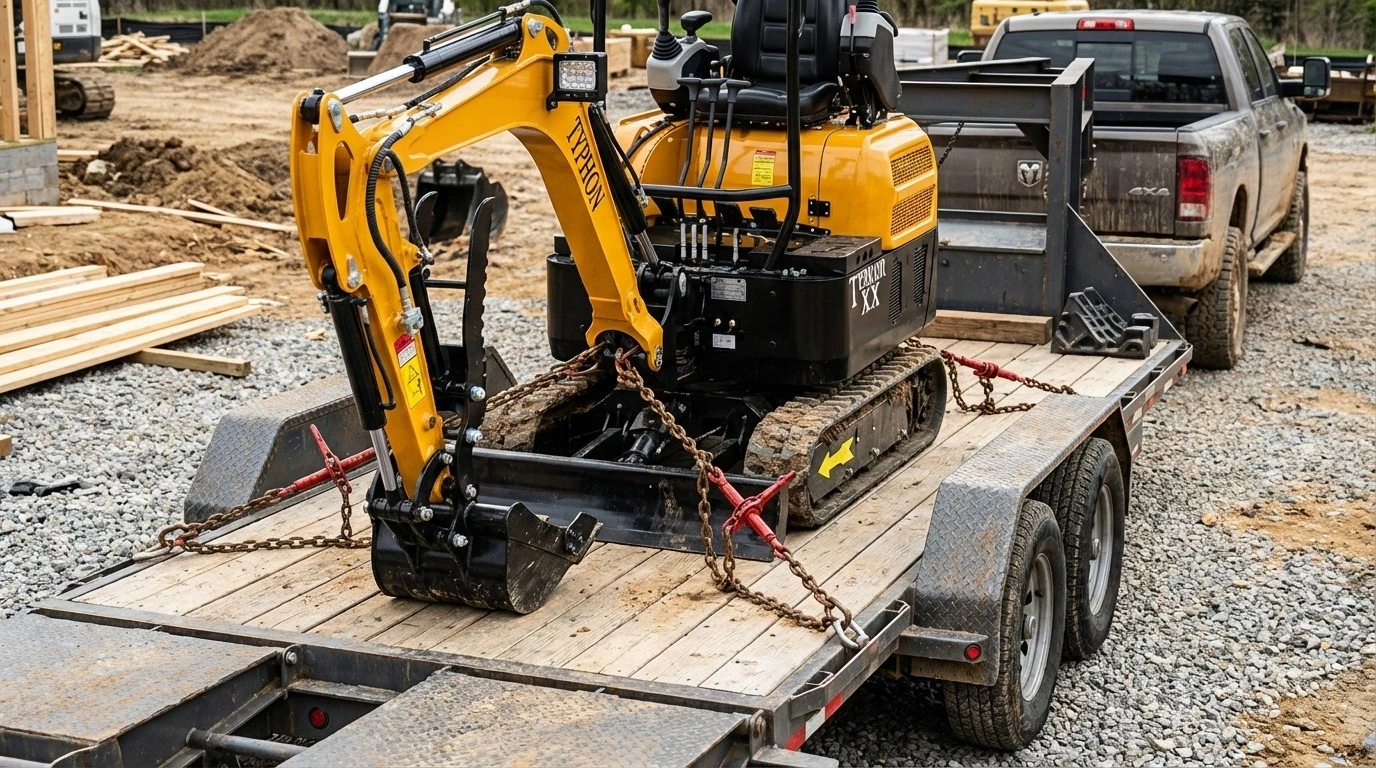
Moving heavy machinery requires precision and planning. A single mistake during transport can damage your equipment, delay your project, or cause a severe highway accident. When you invest in durable, high-quality machinery, you must protect that investment through proper transport protocols.
This guide breaks down exactly how to move your compact equipment safely and efficiently. You will learn how to select the right trailer, secure the machine correctly, and comply with strict legal requirements. By following these factual, straightforward procedures, you guarantee your equipment arrives on-site ready to deliver reliable performance.
Selecting the Right Transport Vehicle and Trailer
Your transport setup determines the safety of your entire operation. You cannot simply drive a mini excavator onto any standard utility trailer. You must match your towing vehicle and trailer to the specific weight and dimensions of your compact equipment.
Towing Capacity and Weight Distribution
Calculate the total operating weight of your mini excavator before selecting a tow vehicle. Include the weight of full fluid tanks, heavy steel buckets, and any additional hydraulic attachments. Add this machine weight to the empty weight of your trailer to find your total towed load.
Compare this final number against your truck's maximum towing capacity. Never exceed the Gross Combined Weight Rating (GCWR) specified by the vehicle manufacturer. Overloading strains your transmission, destroys your brakes, and severely compromises highway safety.
Choosing Between Utility and Equipment Trailers
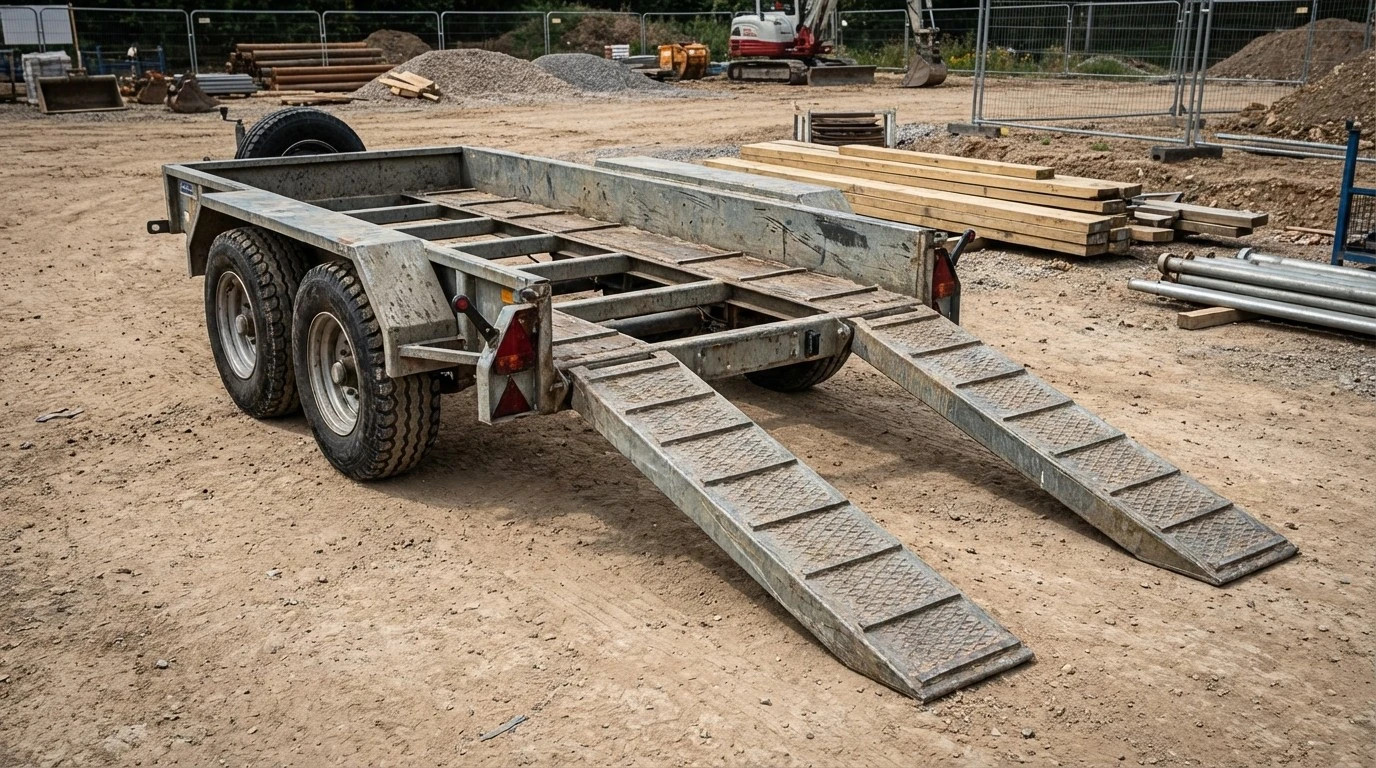
Invest in a heavy-duty equipment trailer designed specifically for construction machinery. These trailers feature reinforced steel frames, heavy-duty axles, and proper load-bearing ramps. A standard utility trailer lacks the structural integrity required to support a dense, multi-ton excavator.
Look for a trailer with a deck low to the ground. A lower center of gravity drastically reduces the risk of trailer sway at highway speeds. Prioritize trailers with durable wooden or steel diamond-plate decking to provide maximum traction for rubber tracks.
Loading and Unloading Safety Protocols
The loading process presents the highest risk of equipment damage and operator injury. You must execute this phase with absolute focus and adherence to safety protocols. Rushing this process leads to catastrophic tipping accidents that destroy expensive machinery.
Site Inspection and Ramp Placement
Always park your truck and trailer on firm, perfectly level ground before attempting to load or unload. Ensure the trailer remains securely hitched to the tow vehicle, and engage the truck's parking brake. Block the trailer wheels with heavy-duty chocks to prevent any forward or backward rolling.
Lower the loading ramps completely and verify they align directly with the excavator's tracks. Clean any thick mud, grease, or ice off the ramps and the machine's tracks. Removing these hazards prevents the tracks from sliding sideways during the loading process.
Proper Machine Positioning
Drive the mini excavator up the ramps at the lowest possible speed. Keep the heaviest part of the machine pointed up the incline to maintain traction and balance. For most mini excavators, this means driving forward onto the trailer with the boom facing the truck cab.
Keep the boom and bucket curled low to the deck to maintain a safe center of gravity. Once positioned properly on the trailer, lower the bucket or attachment flat against the deck. Engage the machine's parking brake, turn off the engine, and remove the key to secure the cab.
Adapting to Inclement Weather
Weather significantly impacts the safety of loading heavy machinery. Rain and snow turn steel loading ramps into severe slip hazards. If you must load your machine during a storm, lay down friction mats or sand to improve track grip.
Always move slower than usual when operating on wet decking. Your steering inputs react differently when the rubber tracks lack their standard friction. Taking an extra five minutes to load slowly protects your operators and prevents costly accidental drops.
Securing Your Mini Excavator Correctly
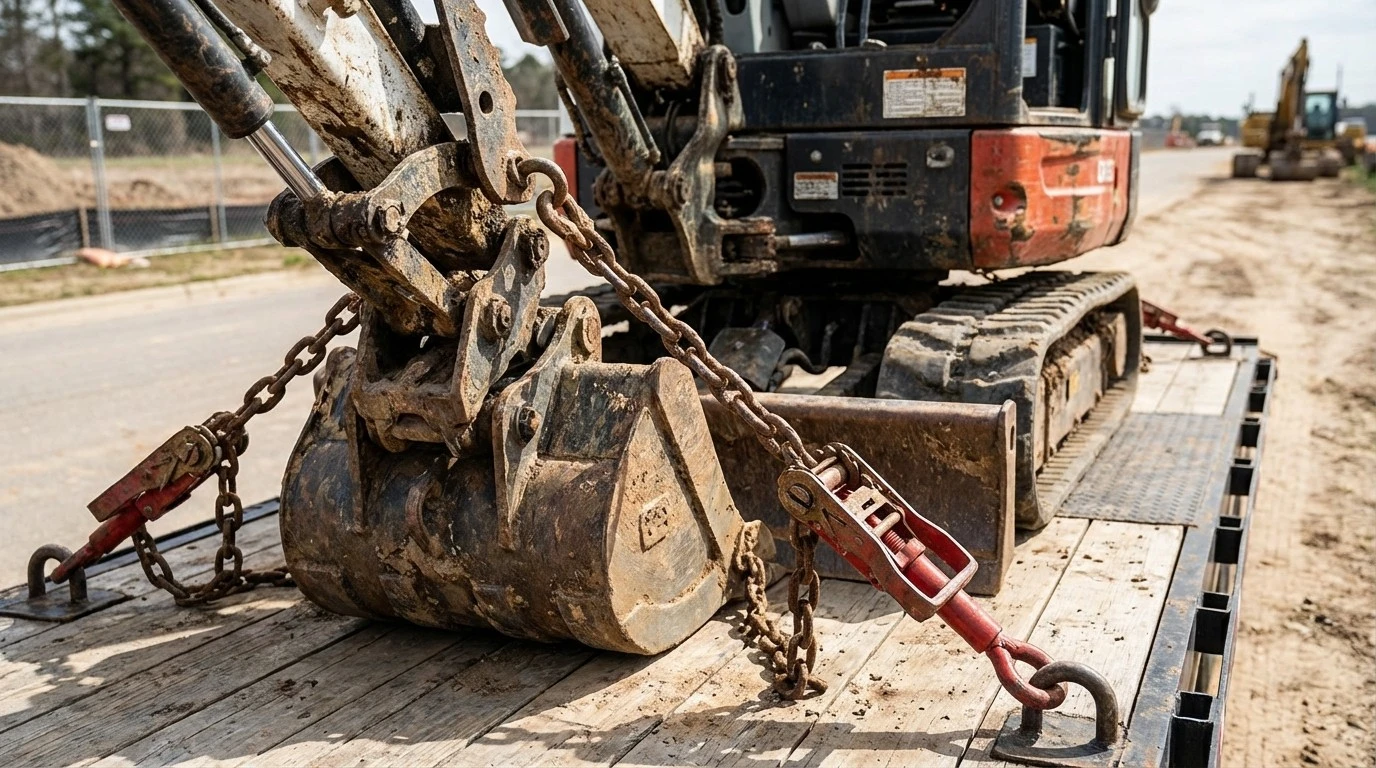
Highway speeds, sharp turns, and sudden stops exert massive physical forces on your equipment. You must secure the machine using approved methods to prevent any forward, backward, or lateral shifting. Proper tie-downs protect your investment and the drivers sharing the road with you.
The Four-Point Tie-Down Method
Federal regulations require heavy machinery to be secured using a minimum of four separate tie-down points. Use high-quality, Grade 70 transport chains and heavy-duty load binders. Attach the chains to the specific tie-down anchor points designated by the excavator manufacturer.
Never route chains over hydraulic cylinders, rubber hydraulic hoses, or thin sheet metal components. Angle the chains downward and outward from the machine to the trailer's structural D-rings. Tension the binders evenly to pull the machine firmly down against the deck.
Securing Attachments and Hydraulic Components
You must secure the boom and bucket independently from the main chassis. Route a separate chain over the bucket or the boom arm to prevent it from bouncing during transit. Bouncing causes severe stress on the hydraulic seals and ruins the precision pins.
If you transport additional attachments like hydraulic breakers or augers on the same trailer, secure them with their own dedicated chains. Loose attachments can easily slide off the deck and cause a fatal highway collision. Treat every single component on your trailer as a primary load.
Maintaining Your Tie-Down Equipment
Transport chains and binders wear out over time. Inspect your tie-down equipment weekly for stretched chain links, deep gouges, or bent binder handles. If you find any structural damage, discard the equipment immediately.
Lubricate the moving threads of your load binders frequently to ensure they operate smoothly. Hard-to-turn binders prevent you from achieving the necessary chain tension to lock the machine down. Investing in high-quality securing gear is a minor expense that prevents massive financial losses.
Navigating Legal and Compliance Requirements
Operating commercial transport vehicles requires strict compliance with state and federal transportation laws. Failing to meet these standards results in massive fines and immediate vehicle impoundment. You must understand the rules that govern your specific operating radius.
Weight Limits and DOT Regulations
Know your local commercial weight restrictions intimately. While mini excavators fall well below the limits of standard heavy-haul permits, the combined weight of your truck, trailer, and machine may cross commercial thresholds.
If your Gross Combined Weight Rating exceeds 10,000 pounds, you must typically register for a USDOT number. You must also carry specific safety equipment inside your tow vehicle. This includes properly rated fire extinguishers, reflective emergency triangles, and spare electrical fuses.
Licensing and Insurance
Verify that your drivers possess the correct class of driver's license for the weight they are towing. Some jurisdictions require a Commercial Driver's License (CDL) if the towed trailer exceeds 10,000 pounds. Operating without the proper license invalidates your insurance coverage immediately.
Review your commercial auto and inland marine insurance policies closely. You need specific coverage that protects the full replacement value of your mini excavator while it is in transit. Standard auto insurance rarely covers expensive construction machinery damaged on the highway.
Route Planning and Clearance
Compact equipment generally avoids the height restrictions of large excavators, but you still must plan your route carefully. Know the exact travel height of your excavator sitting on the trailer.
Avoid tight residential streets with low-hanging tree branches or old bridges with severe weight limits. Using commercial GPS systems helps you plot routes that keep your equipment on approved commercial arteries. Proper planning ensures you arrive at the job site promptly and safely.
Preventative Maintenance for Transport Equipment
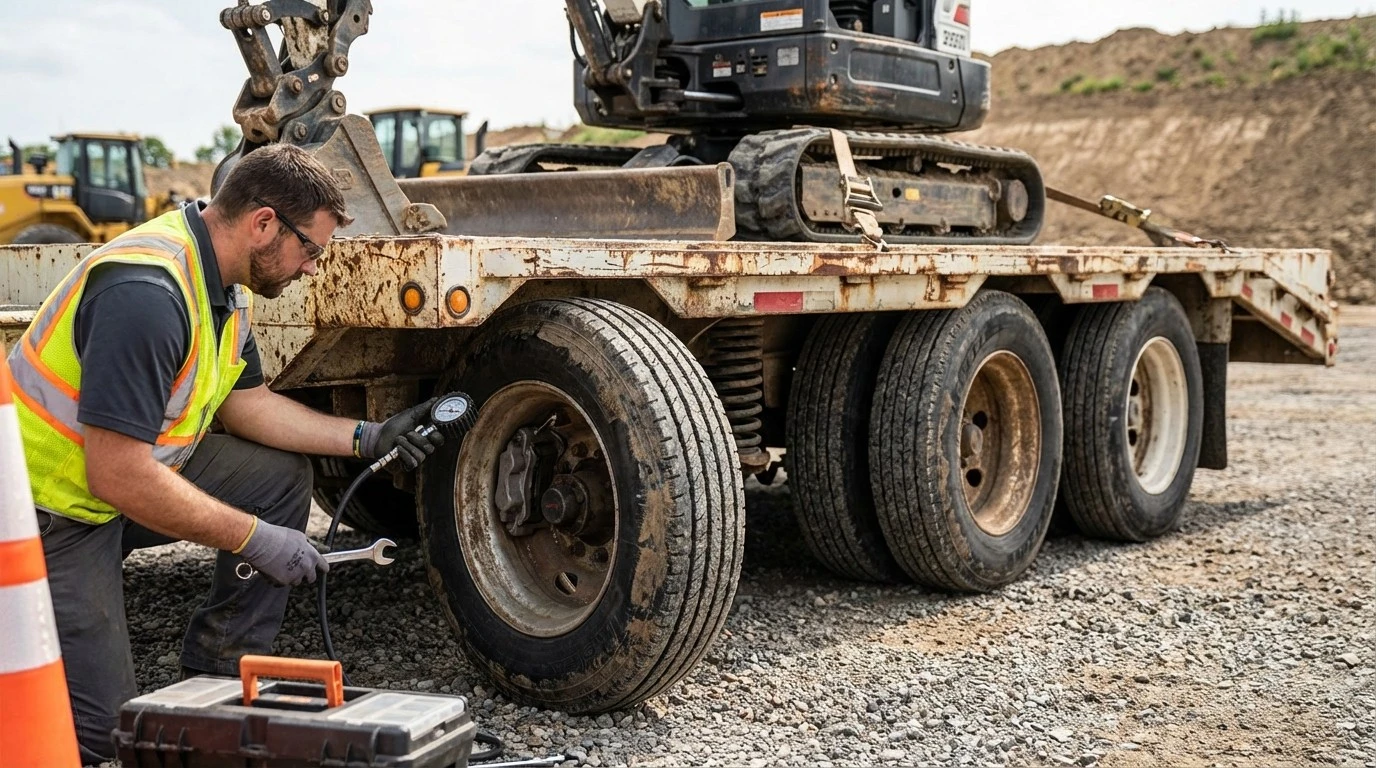
Your transport equipment requires the same rigorous care as your heavy machinery. Neglecting your truck and trailer leads to dangerous highway failures and ruins your operational efficiency. A reliable fleet demands attention to every component.
Inspecting Trailer Tires and Brakes
Perform a thorough visual inspection of your trailer before every single trip. Check the tire pressure using a reliable gauge, as underinflated tires generate excessive heat and blow out under heavy loads. Inspect the tire sidewalls for deep cuts, uneven wear, or dry rot.
Test the trailer's electric or surge braking system to ensure it engages smoothly alongside the tow vehicle. Check the breakaway switch battery to guarantee the trailer brakes will activate automatically if the trailer detaches from the truck. Finding these issues in the equipment yard prevents disasters on the highway.
Servicing Suspension and Decking
Trailer suspension systems bear the brunt of bad roads and heavy loads. Inspect the leaf springs and equalizers regularly for cracks or missing bolts. Lubricate all grease fittings on the trailer axles to prevent the wheel bearings from overheating and seizing.
Examine the wooden or metal decking of your trailer for rot, rust, or weak spots. A multi-ton excavator can easily punch through a compromised wooden deck during loading. Replacing damaged deck boards immediately maintains a safe, stable platform for your machinery.
Reliable Dealer Support for Your Fleet
Maintaining an efficient, profitable fleet requires a strong partnership with your equipment provider. When you purchase high-quality machinery, you expect comprehensive support beyond the initial sale. Work with a dealer that offers expert advice on transport specifications and precise tie-down procedures for your exact machine.
A reliable provider stocks genuine replacement parts and offers certified service technicians to keep your machinery running perfectly. This commitment to customer satisfaction ensures you experience maximum uptime and an exceptional return on investment. Relying on professional support allows you to focus entirely on executing your projects.
Upgrade Your Transport Protocols
Mastering the logistics of heavy equipment transport protects your crew, your machinery, and your business reputation. By selecting the correct trailer, enforcing strict loading protocols, and adhering to DOT tie-down regulations, you eliminate the risks associated with moving compact equipment.
Treat your transport procedures with the same professionalism and exactness you apply to your job site work. Review your current logistics setup today, upgrade your transport chains, and ensure your team understands these vital safety standards. Your commitment to reliability and quality guarantees your long-term success.