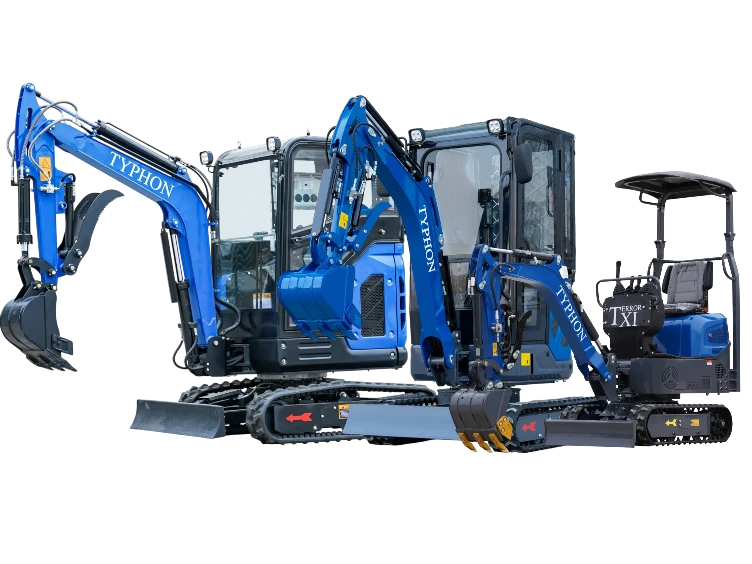






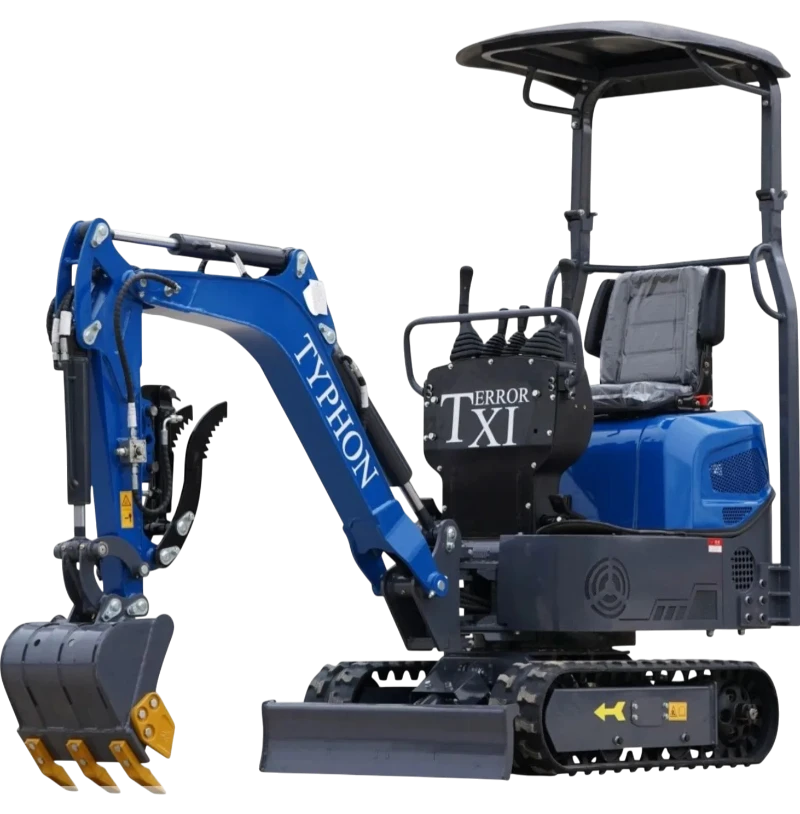

Mini excavators have become an essential piece of equipment across construction, landscaping, agriculture, and even DIY projects. Compact yet powerful, these machines are perfect for tight spaces where larger equipment can’t operate efficiently. If you’re new to operating a mini excavator, the learning curve might seem intimidating—but with the right guidance, you can quickly move from beginner to confident operator.
What Is a Mini Excavator?
A mini excavator, also known as a compact excavator, is a smaller version of a standard excavator. Typically weighing between 1 to 10 tons, it’s designed for precision work in confined areas. Despite its size, it packs impressive digging power and versatility with attachments like buckets, augers, and breakers.
Why Learn to Operate One?
Learning to operate a mini excavator opens doors to multiple opportunities:
- Career advancement in construction and heavy equipment operation
- Cost savings for personal projects like trenching, landscaping, or foundation work
- Increased efficiency on job sites
Whether you’re a homeowner or aspiring operator, mastering this machine is a valuable skill.
Understanding the Controls
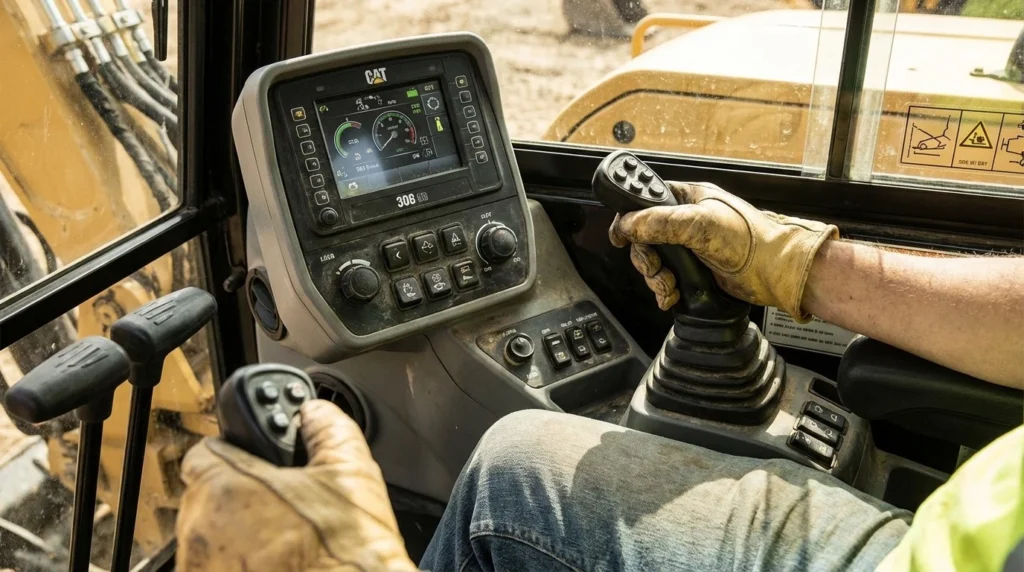
Before you start digging, it’s crucial to understand the basic controls:
- Joysticks: Control the boom, arm, bucket, and swing
- Foot pedals or levers: Operate the tracks and sometimes auxiliary functions
- Throttle control: Adjusts engine speed
- Safety lock lever: Prevents accidental movement when engaged
Most modern mini excavators use either ISO or SAE control patterns—learning both can make you more versatile.
Safety Comes First
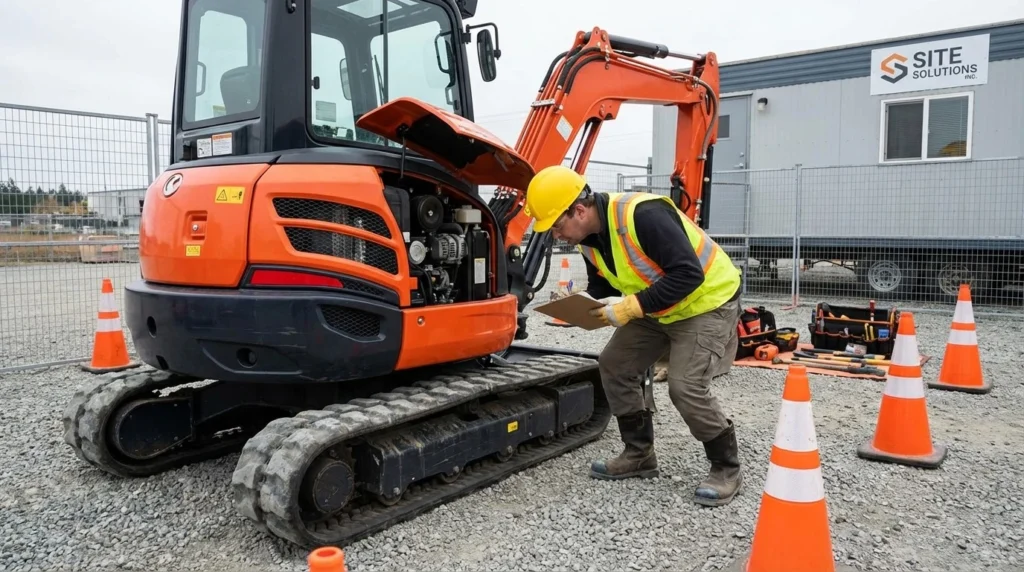
Operating heavy machinery requires strict attention to safety. Always:
- Wear proper personal protective equipment (PPE)
- Inspect the machine before use (check fluids, tracks, and attachments)
- Be aware of your surroundings, including underground utilities
- Never exceed the machine’s load capacity
Taking a safety-first approach not only protects you but also those around you.
Getting Started: Basic Operations
1. Mounting and Starting the Machine
Climb into the cab using the designated steps and handholds. Fasten your seatbelt, lower the safety lever, and start the engine according to the manufacturer’s instructions.
2. Practicing Movements
Start with simple motions:
- Move the boom up and down
- Extend and retract the arm
- Curl and uncurl the bucket
- Rotate (swing) the cab
Practice these individually before combining them.
3. Learning to Drive
Use the track controls to move forward, backward, and turn. Keep movements slow and controlled, especially on uneven terrain.
4. Digging Basics
- Position the machine on stable ground
- Lower the blade for extra stability
- Use smooth, coordinated joystick movements
• • Avoid overreaching—reposition the machine instead
Common Beginner Mistakes
Many beginners face similar challenges:
- Overcorrecting controls, leading to jerky movements
- Ignoring terrain, which can cause tipping
- Digging too aggressively, reducing precision
- Skipping inspections, increasing risk of breakdowns
Awareness of these mistakes helps you avoid them early on.
Tips to Improve Faster
- Practice regularly: Consistency builds muscle memory
- Start small: Work on simple tasks before complex ones
- Watch experienced operators: Learn techniques and efficiency tricks
• • Take a training course if available

Maintenance Basics
A well-maintained machine performs better and lasts longer:
- Check engine oil, hydraulic fluid, and coolant daily
- Clean the tracks and remove debris
- Inspect for leaks or worn parts
- Follow the manufacturer’s service schedule
Final Thoughts
Becoming proficient with a mini excavator doesn’t happen overnight, but every hour of practice builds confidence and skill. By understanding the controls, prioritizing safety, and practicing consistently, you can transition from a novice to a capable operator in a relatively short time.
Whether you’re working on a professional job site or tackling a personal project, mastering a mini excavator is a practical and rewarding achievement.