






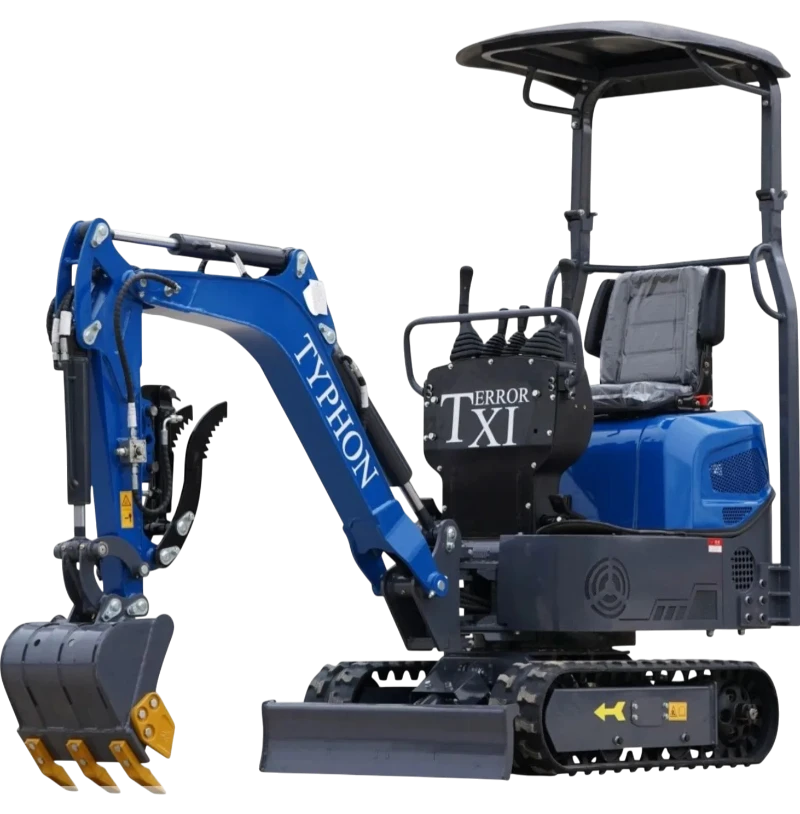

Meta Description: Regular maintenance extends the life of your mini excavator. Follow this checklist to prevent breakdowns, reduce repair costs, and keep your machine job-site ready.
Introduction
A mini excavator is a significant investment—whether you use it daily for business or occasionally for property projects. Like any piece of heavy equipment, its longevity and reliability depend on consistent maintenance.
Neglecting routine checks leads to costly downtime, unexpected repairs, and shortened machine life. This guide provides a straightforward maintenance checklist you can follow to keep your compact excavator in top condition.
1. Daily Pre‑Operation Inspection
Before starting the engine, walk around the machine and check:
Fluid levels: Engine oil, hydraulic oil, coolant, and fuel. Look for leaks underneath.
Undercarriage: Check tracks for proper tension, damage, or debris buildup. Inspect sprockets, rollers, and idlers for wear.
Grease points: Swing bearing, bucket linkage, and cylinder pins. Use a grease gun until fresh grease appears.
Attachments: Ensure quick coupler is fully engaged and hoses are secure.
Safety items: Seatbelt, ROPS structure, backup alarm, and mirrors (if equipped).
A five-minute walk‑around can prevent a half‑day breakdown.
2. Engine & Fluid Maintenance
Follow the manufacturer’s intervals—typically every 250–500 hours—for these services:
Engine oil & filter: Use the recommended viscosity for your climate.
Hydraulic oil & filter: Contaminated hydraulic fluid is a leading cause of component failure.
Coolant: Check concentration and top up with the correct mixture. Diesel engines need proper anti‑freeze and anti‑corrosion additives.
Fuel system: Replace the fuel filter regularly. Use clean, high‑quality fuel to avoid injector problems.
Keep a logbook of service dates and hours to stay on schedule.
3. Undercarriage Care
The undercarriage takes the most abuse. Extend its life by:
Cleaning after muddy jobs: Dried mud traps debris and accelerates wear.
Checking track tension: Too loose and tracks can derail; too tight and they wear out quickly.
Inspecting sprockets and idlers: Replace when teeth become sharp or rollers show flat spots.
Operating on firm ground: Avoid excessive spinning or turning on hard surfaces.
A well‑maintained undercarriage can double the life of tracks and drive components.
4. Hydraulic System & Attachments
Mini excavators rely on a clean hydraulic system. To avoid costly repairs:
Check hoses and fittings: Look for cracks, chafing, or leaks. Replace damaged hoses immediately.
Keep couplers clean: Dirt in hydraulic couplers can contaminate the system.
Flush attachments: When switching attachments, wipe couplers and store them in a clean area.
Use correct attachment flow: Match attachment hydraulic requirements to your machine’s flow rate to prevent overheating.
5. Battery & Electrical System
Electrical issues can strand you on the job. Prevent them with:
Battery terminals: Clean corrosion and ensure tight connections.
Alternator belt: Check tension and look for cracks.
Lights and warning indicators: Test before working in low light or on roadways.
If your mini excavator sits idle for long periods, use a battery maintainer.
6. Storage & Off‑Season Care
When your machine isn’t in use:
Store in a dry, covered area if possible.
Run the engine monthly to circulate fluids and prevent seals from drying.
Grease all fittings before long storage to push out moisture.
Add fuel stabilizer to diesel to prevent algae growth in the tank.
Proper storage ensures your mini excavator starts reliably when you need it again.
7. When to Call a Professional
Some tasks require factory‑trained technicians. Contact your service provider if you notice:
Unusual noises (squealing, grinding, knocking)
Hydraulic oil discoloration or metal particles
Loss of power or digging force
Error codes on the display panel
Persistent leaks after tightening
At MiniExcavator.org, our mobile service team comes to your site for repairs and routine maintenance. We use genuine parts and factory diagnostics to get you back to work quickly.
8. Real Operator Tip
“I do a quick walk‑around every morning. Takes five minutes. It caught a loose track before it came off and saved me a full day of downtime. Regular grease keeps the pins tight—I’ve got 4,000 hours on my mini excavator and still no slop in the bucket linkage.”
— Carl D., Excavation & Grading
Conclusion
Consistent maintenance is the cheapest insurance for your mini excavator. A few minutes each day and scheduled fluid changes prevent major repairs, extend machine life, and protect your investment.
Whether you’re a new owner or a seasoned operator, following this checklist will keep your compact excavator reliable for years to come.
Need service or a maintenance kit?
Looking for a new or used mini excavator?